Bahasa Indonesia


Modern Fleet Security Strategies: How to Protect Tanker Trucks from Fuel Theft
Posted on March 25, 2026 by Nur Wachda Mihmidati
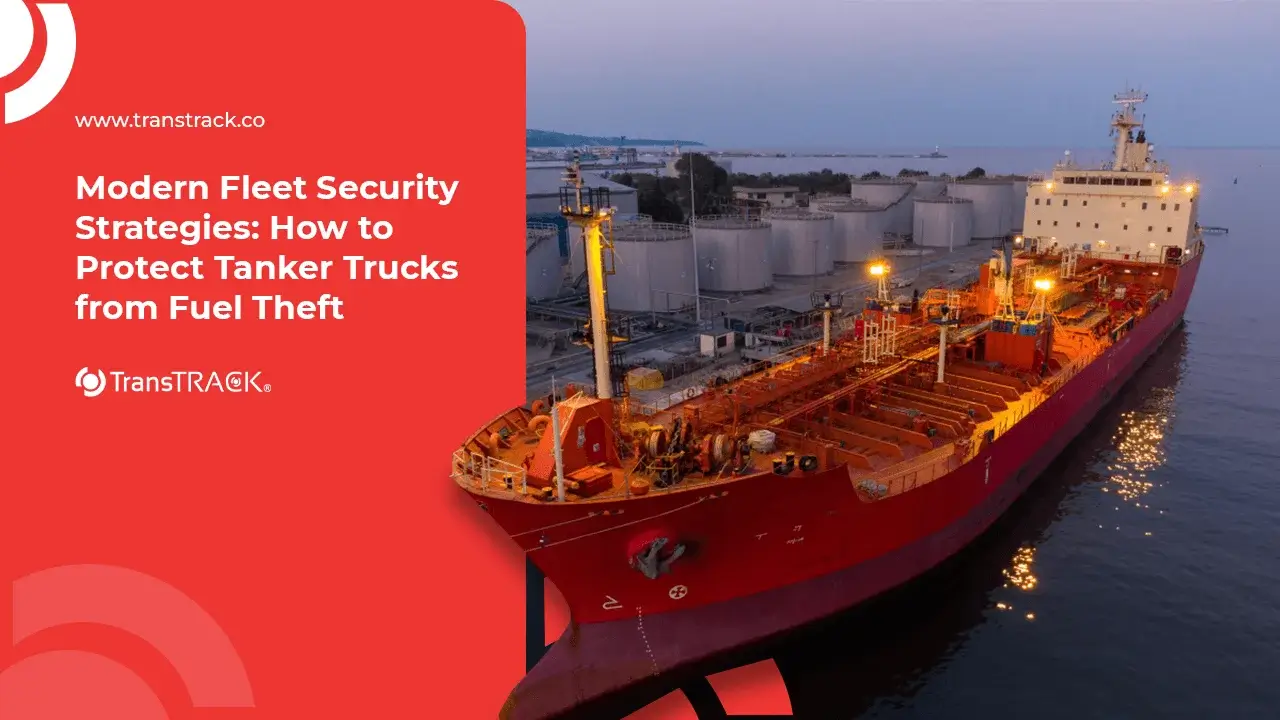
Fuel is a primary energy source that drives industries and economies. Its fluctuating price makes it a valuable commodity that is always in demand. It is therefore not surprising that some individuals engage in fuel theft, commonly known as fuel siphoning. This illegal activity often occurs in tanker trucks, where a portion of the fuel is taken without the company’s knowledge.
The impact can be significant for affected companies. Imagine losing 5% to even 10% of fuel continuously—this can severely erode profit margins and potentially lead to major financial losses.
There are various methods used to carry out this fraudulent activity. Therefore, it is crucial for businesses to understand effective strategies and solutions to prevent fuel theft and minimize potential losses. Get to know more in this TransTRACK article!
Methods to Physically Protect Fuel Tanks
The first step in improving tanker truck security is through physical protection. Here are several methods that can be implemented:
Security Seals
Using seals with unique serial numbers ensures that the tank cannot be opened arbitrarily or illegally. These seals are difficult to replicate and simplify the auditing process.
Anti-Siphon Devices (Tank Inlet Filters)
This device prevents hoses from entering the tank, making it difficult for perpetrators to manually siphon fuel.
Locking Fuel Caps
Using lockable fuel caps can help prevent unauthorized access to the fuel tank, keeping it secure from irresponsible parties.
Implementation of Smart Fleet Management Technology
In addition to equipping tanker trucks with proper physical protection, digital technology can also be leveraged to prevent fuel theft. Here are several applicable solutions:
Fuel Level Sensors (Digital)
These sensors allow companies to monitor fuel volume in real-time with an accuracy level of over 95%. Even minor changes can be easily detected and tracked.
GPS Tracking Integration
With GPS, companies can accurately monitor vehicle locations in real-time and detect unusual drops in fuel levels.
CCTV and Dashcams
Surveillance cameras and dashcams help record suspicious activities, providing evidence in case of violations.
Fleet Security SOP (Standard Operating Procedures)
To maintain security, companies must implement strict SOPs to prevent fuel theft. Some key procedures include:
Fuel Audits
Compare fuel refueling data with system consumption reports to identify anomalies or suspicious discrepancies.
Geofencing (Defined Routes)
Use geofencing systems to notify the company if a vehicle stops outside predefined routes.
Reward and Punishment System
Provide incentives for drivers who demonstrate fuel efficiency and enforce strict penalties for proven violations.
Tips for Choosing an Anti-Fuel Theft System
When selecting a reliable fuel theft prevention system, consider the following checklist:
- Ease of installation to ensure the system can be deployed quickly without major modifications, allowing operations to run smoothly.
- Compatibility with different tank materials to maintain data accuracy across various tank types.
- User-friendly dashboard that is simple, clear, and informative for easy monitoring and analysis.
- Responsive after-sales support and warranty to ensure long-term system reliability.
Conclusion
Fuel theft remains a real threat in the logistics industry. Reduced profits and associated losses have pushed many companies to implement stricter standards to prevent such fraud. Industry players are now combining physical security measures with digital technology for more effective prevention.
In addition to conducting regular fuel audits, you can also leverage a Smart Fleet Management System from TransTRACK. With intelligent analytics, real-time monitoring, and seamless connectivity, it helps streamline operations while enhancing security.
FAQ
How can you detect if a driver is committing fuel theft?
It can be identified through inconsistencies between distance traveled and fuel consumption, significant drops in fuel levels, or damaged tank seals during inspection.
What is the best technology to prevent fuel theft in trucks?
A combination of digital fuel level sensors integrated with GPS tracking ensures that every change in fuel volume is automatically recorded based on location and time.
How is fuel siphoning usually carried out?
It is typically done by stopping at unauthorized locations, illegally opening discharge valves, or directly siphoning fuel from the main tank using portable pumps.
Is an anti-siphon device effective in preventing fuel theft?
Yes, it is highly effective in preventing manual siphoning using hoses, but it should still be supported by a digital monitoring system for optimal security.

Recent Post




Topic :
driving tipsfleet managementvehicle safety