Bahasa Indonesia


The Role of Technology in Improving the Maritime Safety and Security
Posted on November 13, 2025 by Nur Wachda Mihmidati
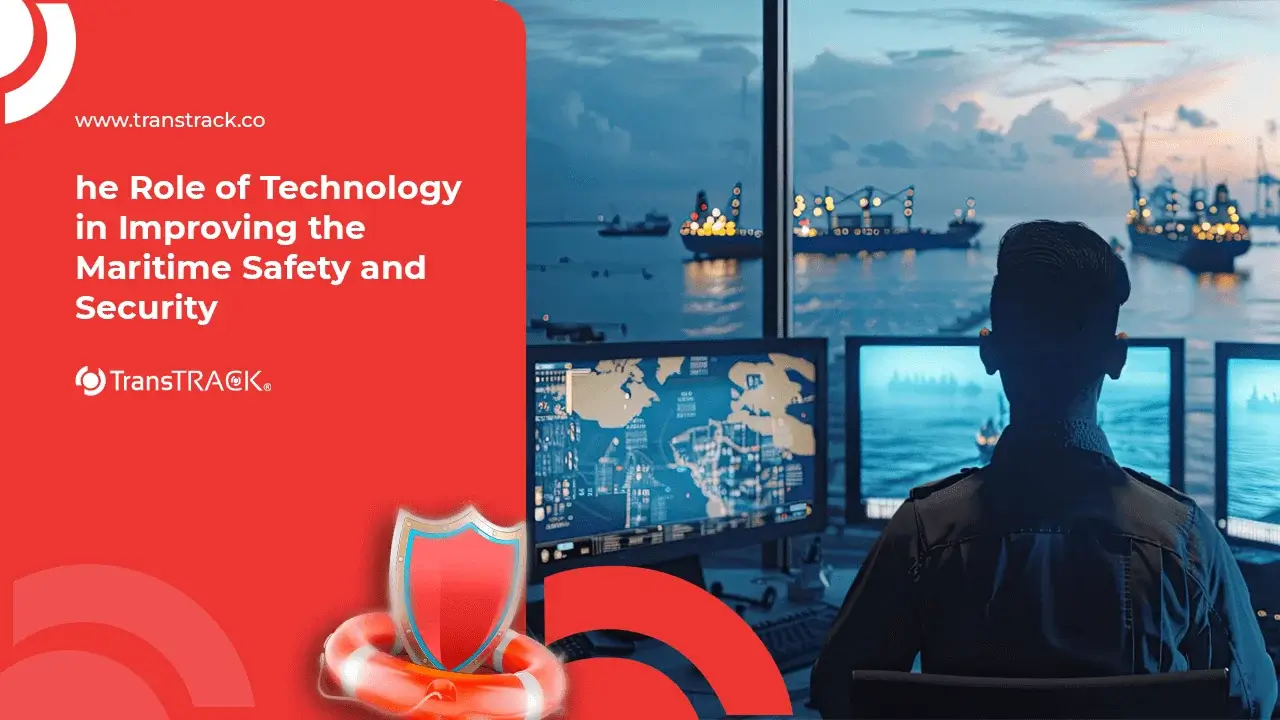
Safety and security at sea are fundamental to the success of maritime operations in the modern era. With the increasing mobility of maritime logistics, fleet monitoring solely relying on manual methods is no longer sufficient. Technologies such as the TransTRACK‘s Vessel Monitoring System now offer full visibility into vessel movements, crews, and operational conditions in real time.
Understanding maritime safety and its differences from maritime security
Maritime safety and security are two distinct, interconnected and complementary concepts within the maritime operational system. The primary focus of maritime safety is accident prevention and the protection of crew, vessels, and technical equipment to ensure safe voyages. Maritime security, on the other hand, focuses on protection against external threats such as sabotage, terrorism, and cargo theft, which can disrupt operational stability.
The main objective of implementing safety and security at sea
The primary objective of implementing maritime safety and security is to minimize risks and ensure the protection of personnel, vessels, and cargo from potential hazards. With the proper system in place, shipping operations can run stably and sustainably. Furthermore, implementing this concept also supports the smooth operation of the maritime logistics chain and maintains the sustainability of maritime businesses.
Factors Affecting Navigation Safety
Maritime safety and security are influenced by various technical, environmental, and human factors that must be consistently monitored. Each factor contributes to the extent of risk during maritime travel. Here are some factors to consider when maintaining maritime safety and security:
Extreme weather and sea conditions
- High waves reduce the visibility and stability of the ship.
- Strong winds and tropical storms increase the potential danger.
- Sudden weather changes trigger the risk of navigation accidents.
Ship readiness and engine maintenance
- Unmaintained machine devices will increase the risk of operational failure.
- A small damage left untreated can trigger a major incident.
- Navigation and ship component updates must be carried out periodically.
Crew competence and compliance with safety procedures
- Human negligence is the cause of most maritime accidents.
- Inexperienced crews make emergency decision-making difficult.
- SOP compliance is mandatory to maintain shipping safety and security.
Ship communication and navigation
- Communication breakdowns slow incident response.
- Inaccurate navigation caused the ship to stray from its safe course.
- Poor coordination hampers rescues at sea.
Strategies to Improve Ship Safety and Security
Maritime operational safety and security can be improved through measurable and consistent strategic steps. Implementing monitoring systems, risk assessments, and crew training are essential for preventing losses and maintaining fleet control. The following operational strategies can be implemented:
Periodic safety audits and crew training
- Regular audits help identify potential risks early.
- Emergency simulations improve crew readiness.
- Continuing education is essential for maritime safety and security.
Implementation of shipping risk management system
- Identifying shipping risks before the ship departs.
- Develop mitigation based on previous shipping data.
- Risk control is an operational priority.
Real-time monitoring of ship and crew conditions
- System sensors monitor engine condition and crew fatigue.
- Early warning is given when an abnormal condition occurs.
- Monitoring visibility improves shipping safety and security.
Collaboration with port authorities and maritime security agencies
- Ensuring compliance and standardization of maritime operations.
- Navigation information is continuously updated according to sea conditions.
- Collaboration between parties minimizes potential external threats.
The Role of Technology in Improving Fleet Safety
Technology is a solution for modernizing shipping safety and security in the maritime industry. Digital devices facilitate faster, more accurate, and real-time monitoring, enabling informed operational decisions. The use of technology also helps minimize the costs of damage, cargo loss, and the risk of maritime accidents. Here are some examples of the role of technology in implementing safety and security concepts:
Vessel Monitoring System for real-time vessel tracking
- Monitoring the route and position of the ship every second.
- Provides alerts when the ship leaves the safe route.
- Improve rapid response in emergency situations.
Driver behavior & fatigue monitoring for ship crew
- Sensor devices detect physical fatigue and mental stress of the crew.
- Warning notifications are sent before fatigue leads to an accident.
- Fatigue data improves shipping safety and security.
E-seal system to prevent cargo theft
- Digital seals are installed with automatic recording of each opening.
- Protect containers from illegal break-ins.
- Reducing logistical losses in high-value commodities.
IoT Integration and Fleet Command Center Dashboard
- Full control of your fleet from just one data center.
- Engine, crew and navigation monitoring in one screen.
- Faster and more efficient decision making.
TransTRACK Solutions for Maritime Safety and Security
TransTRACK offers an integrated, technology-based solution to enhance shipping safety and security. Its real-time monitoring platform ensures that all vessel conditions can be monitored seamlessly, anytime, and from anywhere. With its intelligent analytics and sensors, shipping risks can be significantly reduced.
Key features of TransTRACK marine vessel monitoring
- Live tracking of ships, crew and cargo 24/7.
- Automatic detection of engine anomalies and navigation.
- Technology supporting maritime safety and security.
Integration of land and sea systems in one platform
- Fleet control through a digital command center.
- Communication and operational coordination are faster and more precise.
- Operational cost efficiency increases significantly.
The advantages of technology to prevent accidents and losses
- Early warning notification before a fatal accident occurs.
- Theft prevention through a digital seal system.
- Little risk of machine downtimes and navigation disruptions.
Real-time data support for quick decisions
- Accurate sensor data makes risk mitigation easier.
- Vessel voyage records for safety audits.
- Accurate data is the basis for making fast and precise decisions.
Conclusion
Safety and security at sea are fundamental to the modern maritime industry. The combination of operational strategies, crew education, and the implementation of monitoring technology provides a higher level of fleet protection. With solutions like TransTRACK, vessel monitoring becomes more responsive, efficient, and risk-free.
Optimize your fleet monitoring with one integrated platform, try TransTRACK’s Vessel Monitoring System now and improve your shipping safety!
FAQ
How to improve shipping safety and security?
Ways to improve shipping safety and security are by conducting audits, crew education, and regular real-time ship monitoring.
What are the benefits of technology in navigation safety?
The benefits of technology in improving shipping safety include helping reduce human error, providing early warning notifications in abnormal conditions, and strengthening operational security.
What systems are used to monitor the safety of ships?
The systems used to monitor ship security are the Vessel Monitoring System and Fleet Command Center.
How does a ship monitoring system prevent accidents?
Ship monitoring systems prevent accidents by providing early warning notifications of abnormal conditions and providing full visibility into crew and engine conditions.
The best solution to maintain the security of the company fleet?
The best solution to maintain the security of a company’s fleet is to utilize a trusted maritime monitoring system that has complete security and safety features, one of which is by utilizing the integrated maritime monitoring platform from TransTRACK.
Recent Post



Topic :