Bahasa Indonesia


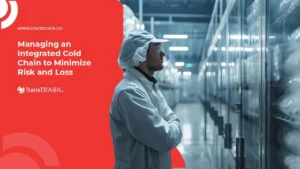
Managing an Integrated Cold Chain to Minimize Risk and Loss
Posted on February 20, 2026 by Nur Wachda Mihmidati
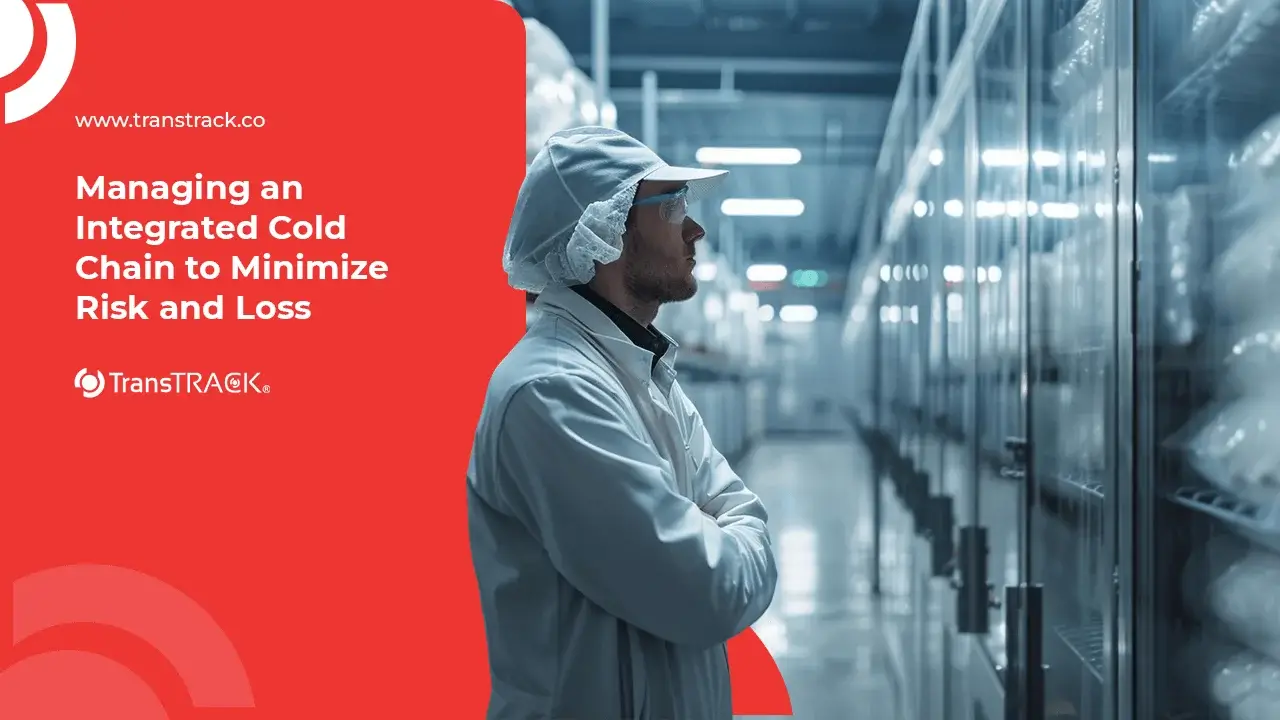
Increasing demand for fresh produce, pharmaceuticals, and temperature-sensitive materials has prompted companies to implement more precise and controlled distribution systems. The cold chain provides a strategic solution that ensures product temperatures remain stable at every stage, from storage and transportation to final distribution.
The reliability of the cold chain not only affects product quality and safety, but also has a direct impact on operational efficiency and company reputation. With proper management and integrated technological support, the risk of damage and loss can be significantly minimized. Read the full explanation in the following TransTRACK article!
What is Cold Chain?
The cold chain is a temperature-controlled supply chain system that is maintained consistently and without interruption from the production process, storage, distribution, to the end consumer. This system is designed to maintain the quality, safety, and integrity of products that are sensitive to temperature changes.
The implementation of the cold chain is very important to reduce food waste, especially in fresh products such as meat, fish, fruit, and dairy products. In addition, the cold chain also plays a crucial role in maintaining the stability and effectiveness of medicines and vaccines, so that patient safety and the success of health programs remain guaranteed.
Key elements in the cold chain include storage equipment such as cold storage and refrigerated containers, refrigerated transport fleets, and real-time temperature monitoring systems. Equally important is trained personnel to ensure that handling procedures comply with standards and that there are no temperature excursions during the distribution process.
Key Components in the Cold Chain Ecosystem
The cold chain ecosystem consists of a number of integrated components to maintain temperature stability throughout the distribution process. Each element plays a strategic role in ensuring product quality and safety are maintained until they reach the end consumer.
Cold Storage
Cold storage is the main foundation in the cold chain ecosystem, in the form of temperature-controlled warehouses, cooling rooms, and freezers with temperature ranges adjusted to product characteristics. These facilities are generally equipped with automatic temperature control systems and alarms to prevent temperature deviations.
Refrigerated Transport
Refrigerated transport includes reefer trucks, refrigerated containers, and ships or aircraft with special compartments capable of maintaining a stable temperature during transit. This fleet is designed to minimize temperature fluctuations even over long distances or in extreme weather conditions.
Monitoring Technology
Monitoring technology plays an important role in maintaining real-time temperature visibility through IoT sensors, temperature data loggers, and GPS tracking systems. With accurate monitoring support, potential disruptions can be detected and addressed immediately before they impact product quality.
Special Packaging
Special packaging provides an additional layer of protection with the use of thermal insulation boxes, dry ice, or gel packs to maintain temperature stability during distribution. The right packaging strategy helps reduce the risk of product damage, especially during loading and unloading and last-mile delivery.
Industries that Depend on the Cold Chain
Various industrial sectors rely on cold chain systems to maintain the quality, safety, and stability of temperature-sensitive products. Without consistent and integrated temperature control, the risk of product damage, financial loss, and threats to consumer safety can increase significantly.
Pharmaceutical Sector
The pharmaceutical sector relies heavily on the cold chain to maintain the stability and effectiveness of vaccines, blood products, and temperature-sensitive biological medicines. Even the slightest temperature disruption can reduce therapeutic potential and endanger patient safety.
Food Industry
The food industry utilizes the cold chain to maintain the freshness of meat, seafood, dairy products, and fruits and vegetables during distribution. Controlled temperature systems help extend shelf life while reducing the risk of contamination and food waste.
Chemical Industry
The chemical industry also requires a cold chain for temperature-sensitive chemicals and certain cosmetic products that can change their characteristics when exposed to excessive heat. Consistent temperature control ensures that product quality, safety, and stability are maintained until they reach the end user.
The Latest Technology in Cold Chain Management
Advances in digital technology are driving significant transformation in cold chain management, particularly in improving visibility, operational efficiency, and mitigating the risk of product damage. The latest innovations enable more precise temperature control and real-time data-driven decision making.
IoT & Big Data
The use of the Internet of Things (IoT) and Big Data enables continuous monitoring of temperature, humidity, and cooling machine performance. The collected data is analyzed to detect anomaly patterns so that potential damage can be predicted earlier through a predictive maintenance approach.
Blockchain
Blockchain technology provides transparency and integrity of temperature data that cannot be manipulated from the point of origin to the final destination. Every change or temperature recording is stored in a decentralized system, thereby increasing trust among stakeholders in the supply chain.
Smart Packaging
Smart packaging is an innovative packaging technology that can detect and display temperature changes through visual indicators, such as color changes. This technology helps ensure that products never exceed safe temperature limits during the distribution process.
Renewable Energy
The integration of renewable energy, such as the use of solar panels on truck refrigeration units, is a solution to improve fuel efficiency while reducing carbon emissions. This approach not only supports operational sustainability, but also helps companies meet ESG targets and increasingly stringent environmental regulations.
Regulatory and Certification Standards
Compliance with regulatory standards is an important foundation in maintaining the quality and safety of the cold chain. Here are some commonly applied standards:
- Good Distribution Practice (GDP)
Pharmaceutical distribution guidelines for maintaining quality, temperature control, documentation, and product tracking.
- Hazard Analysis and Critical Control Points (HACCP)
A food safety system that controls critical points, including temperature monitoring in the cold chain.
- ISO 28000
Supply chain security management standards to reduce distribution risks.
- ISO 22000
Integrated food safety management system standards based on HACCP principles.
Steps to Choosing the Right Cold Chain Logistics Partner
Choosing a cold chain logistics partner is not only about fleet capacity, but also about system reliability, data transparency, and readiness to deal with operational risks. A thorough evaluation is necessary to ensure that sensitive products remain safe throughout the distribution process.
- Track record & fleet backup
Has cold chain experience and backup units to anticipate disruptions. - Transparency in temperature reporting
Providing real-time temperature monitoring or periodic reports that are easily accessible to clients. - Contingency plan
Have emergency procedures in place in case of unit failure, delays, or operational disruptions. - Regulatory compliance & certification
Implementing relevant standards such as GDP, HACCP, or ISO. - Infrastructure & distribution network
Supported by cold storage facilities and extensive distribution coverage. - Technology & system integration
Using IoT, GPS tracking, and integrated systems. - Trained personnel
Competent personnel to minimize the risk of human error. - Financial stability
Maintain sound financial conditions to ensure service continuity.
Conclusion
The cold chain is not just a cooling system, but an integrated ecosystem that ensures the quality, safety, and integrity of temperature-sensitive products are maintained from origin to final destination. With the support of monitoring technology, regulatory compliance, and the right logistics partners, the risk of damage, waste, and operational losses can be significantly reduced.
To ensure full visibility and control over controlled temperature distribution, TransTRACK presents a Fleet Management System solution equipped with E-Seal and temperature sensors that enable accurate location and temperature monitoring in a single integrated dashboard. Optimize your cold chain management with TransTRACK and improve distribution reliability with precise and transparent real-time data.
FAQ: Cold Chain
What is the difference between Cold Chain and regular Supply Chain?
The main difference lies in environmental and temperature control. The cold chain requires special infrastructure to maintain a stable temperature at every stage of distribution, while the regular supply chain does not have strict temperature control requirements.
What is the standard temperature for the Cold Chain?
Cold chain temperatures vary depending on the type of product, such as bananas/chilled products at around 13°C, chilled products at 2°C to 8°C, frozen products at -18°C to -25°C, and deep-frozen products at up to -70°C for certain vaccines.
What happens if the cold chain is broken?
Disruption of the cold chain can lead to bacterial growth, chemical degradation, and deterioration in taste and texture. In certain cases, products may become unsafe for consumption or use.
What are the main challenges in cold chain logistics?
The main challenges include high energy costs, the risk of equipment damage during distribution, regulatory compliance documentation requirements, and infrastructure limitations in remote areas.
Recent Post
Managing an Integrated Cold Chain to Minimize Risk and Loss
February 20, 2026

Mining Logistics Efficiency with Barges and Tugboats
February 18, 2026


Topic :
Recommended Articles