Bahasa Indonesia


Ship to Ship Transfer: Complete Guide, Procedures, and Regulations
Posted on March 30, 2026 by Nur Wachda Mihmidati
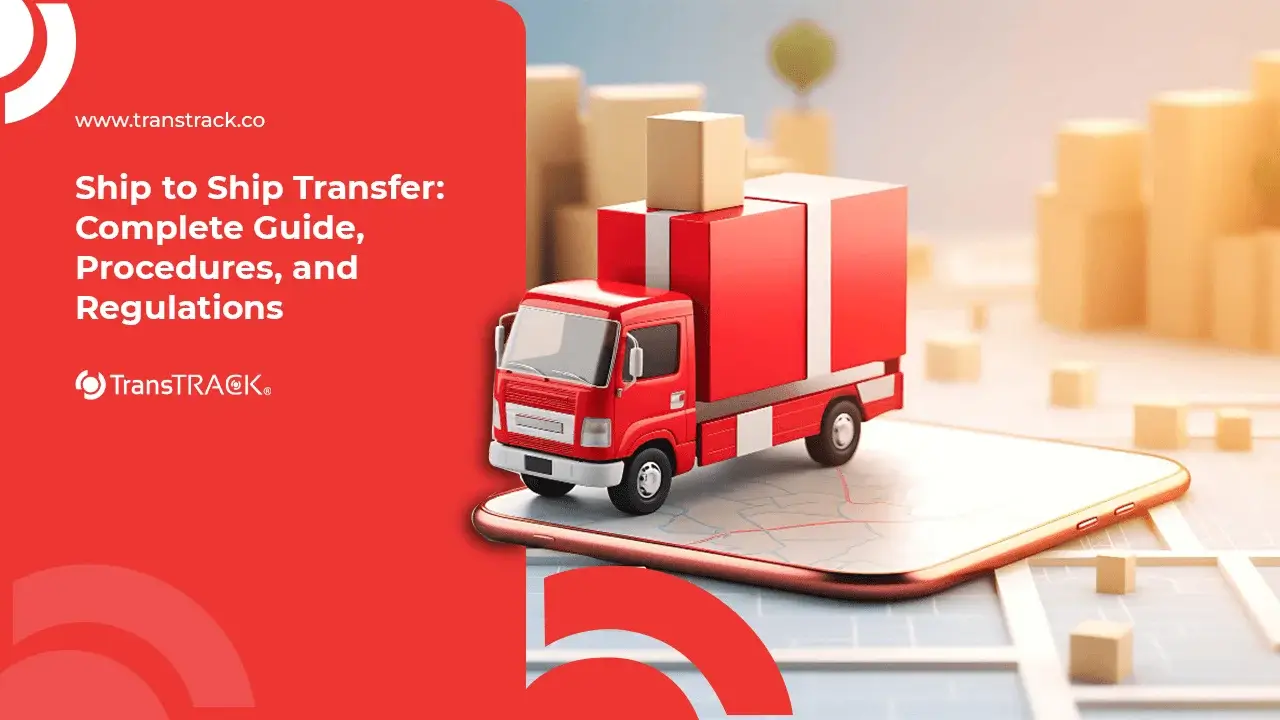
Ship to ship transfer is the process of transferring cargo such as oil, general cargo, or even fuel from one vessel to another directly at sea or in designated waters. Simply put, ship to ship refers to the transfer process between vessels (vessel-to-vessel), commonly used in the maritime industry to increase the efficiency of logistics distribution. Get to know more in this TransTRACK article!
Functions and Purposes of Ship to Ship Transfer
Ship to ship transfer serves several important purposes, including:
- Reducing congestion at port areas
- Allowing large vessels (mother vessels) to transfer cargo to smaller vessels
- Supporting fuel distribution at sea
- Improving logistics supply chain efficiency
- Providing a solution during emergencies or when port facilities have limitations
Ship to Ship Transfer Guide (General Guide)
During implementation, there are several important guidelines to consider for ship to ship transfer:
1. Initial Planning
- Identify the type of cargo
- Determine the transfer location
- Analyze weather conditions and sea currents
2. Vessel Preparation
- Inspect equipment required for the transfer process
- Adjust vessel position (mooring)
- Provide a brief to the vessel crew
3. Transfer Execution
- Strict supervision during the transfer process
- Maintain communication between vessels
- Monitor cargo flow and pressure
4. Post-Transfer Evaluation
- Check safety conditions
- Document the activities
- Conduct risk analysis
Ship to Ship Transfer Procedure
When carrying out ship to ship transfer, there are several procedures before, during, and after the operation:
- Pre-Transfer Meeting: Both vessels coordinate and define responsibilities.
- Mooring Process: Vessels are securely brought together using fenders to prevent damage.
- Connection Setup: Hoses or transfer pipes are installed and tested for leaks.
- Transfer Operation: Cargo is transferred while continuously monitoring the entire process.
- Disconnection: Flow is stopped and equipment is safely removed.
- Unmooring: Vessels are separated safely to prevent collisions.
Ship to Ship Transfer Regulations
In practice, there are various ship-to-ship transfer regulations that must be followed, including:
- IMO Standards (International Maritime Organization): All ship to ship operations must follow international safety guidelines and procedures set by IMO.
- MARPOL: MARPOL regulations ensure that cargo transfer does not pollute the sea or the surrounding environment.
- ISGOTT (International Safety Guide for Oil Tankers and Terminals): ISGOTT guidelines provide safety standards for tankers and terminals during cargo transfer.
- Local Regulations from Port Authorities or Government: All transfer activities must comply with rules and regulations set by local authorities or the relevant government.
The purposes of these regulations are to:
- Ensure crew safety
- Prevent marine pollution that could harm the environment
- Ensure operations comply with established international standards
Risks and Challenges of Ship to Ship Transfer
Ship to ship transfer comes with its own risks and challenges. Potential hazards include:
- Vessel Collisions: Close proximity during transfer increases the risk of collisions, requiring skilled and careful maneuvering.
- Cargo Leakage: Technical errors or improper equipment installation can cause cargo leaks, endangering the crew and vessel.
- Marine Pollution: Spills, especially of chemicals or oil, can pollute the sea and damage ecosystems.
- Communication Errors: Poor communication between crews or vessels can lead to misunderstandings and operational mistakes, risking the transfer, crew, and vessel.
- Extreme Weather Conditions: Strong winds, high waves, and adverse weather can affect vessel stability and cargo transfer safety.
Conclusion
Ship to ship transfer is an important solution in the maritime industry to improve the efficiency of cargo and fuel distribution. By understanding general ship to ship transfer guides, following the ship to ship transfer procedure, and complying with ship-to-ship transfer regulations, the process can be conducted safely and effectively.
Whether for ship to ship fuel transfer or ship to ship cargo transfer, the success of the operation depends heavily on planning, coordination, and adherence to established safety standards.
To ensure smooth ship to ship transfer, TransTRACK offers a specialized Vessel Monitoring System designed to provide full visibility and efficiency throughout the process. This digital solution is intended to reduce high risks and operational complexities associated with transferring cargo—whether oil, gas, or chemicals—between vessels at sea.
FAQ
What is STS transfer?
STS transfer is the operation of transferring cargo between two vessels positioned side by side, typically carried out at open sea or in designated port areas.
What is a safe distance for Ship to Ship operations?
Safe distance depends on weather, sea conditions, and vessel size, but the operational area should generally be free of other traffic within a minimum radius of 1–2 nautical miles.
Who is responsible for STS operations?
Primary responsibility usually lies with the captains of both vessels, while overall technical control is typically managed by a Person in Overall Advisory Control (POAC).
What are the biggest risks in Ship to Ship transfer?
Major risks include oil spills, environmental damage from hazardous materials, hull collisions due to high waves, and the snapping of mooring lines or transfer hoses.
Recent Post




Topic :