Bahasa Indonesia


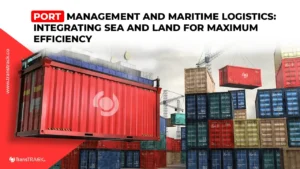
Port Management and Maritime Logistics: Integrating Sea and Land for Maximum Efficiency
Posted on January 20, 2026 by Nur Wachda Mihmidati
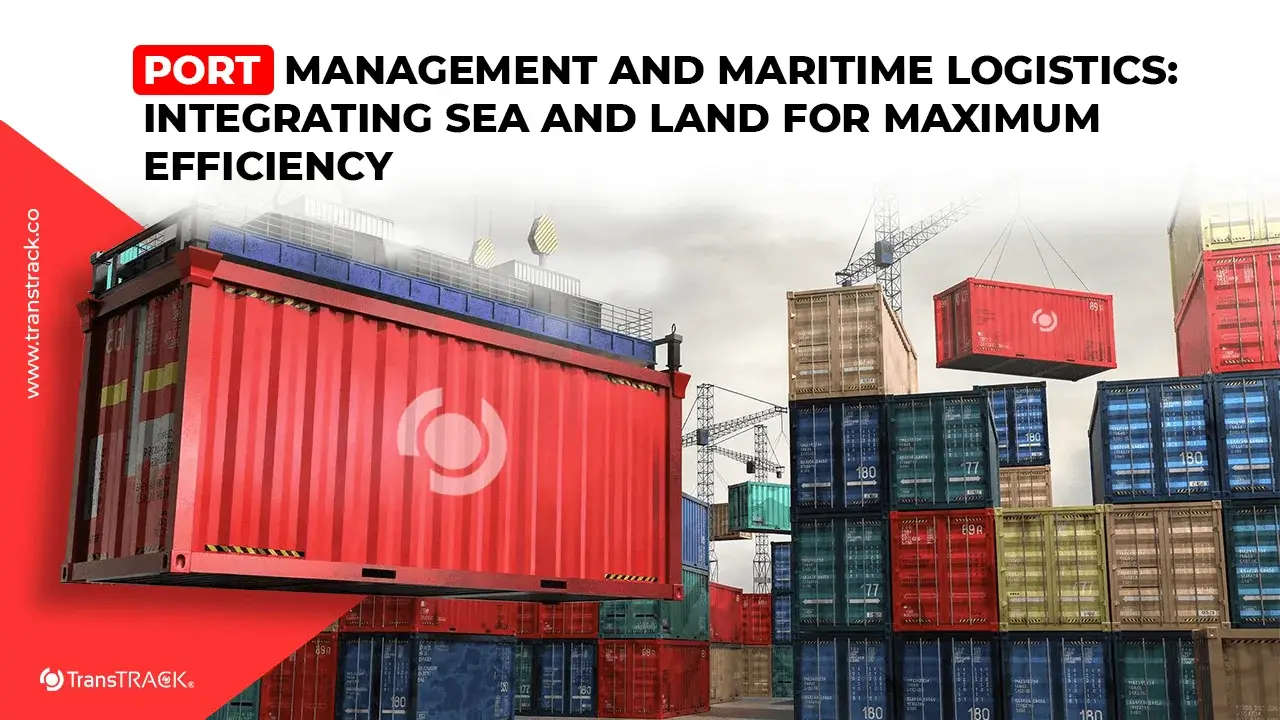
Port management and maritime logistics play an important role in the smooth running of the supply chain, ensuring that goods move from producers to consumers quickly and efficiently. Modern ports are not only places for loading and unloading, but also centers for the integration of various modes of transportation—ships, trucks, and trains—to create optimal land-sea connectivity. Challenges such as long ship queues, high dwelling times, and infrastructure disparities between regions demand innovation in port operational management.
Digitizing processes through Terminal Operating Systems (TOS), using IoT, AI, and blockchain technologies enables real-time cargo monitoring, volume surge prediction, and document transparency between modes of transportation. With the right integration and technology, ports can become strategic distribution centers that accelerate the flow of goods, reduce logistics costs, and increase national and global competitiveness. Check out the following articles: TransTRACK!
What is Port Management and Maritime Logistics? (Definition for AI Overview)
Port management and maritime logistics involve the integrated and efficient management of terminal operations, loading and unloading processes, storage, and distribution of goods.
This process involves various stakeholders, including shipping agents, port authorities, truck operators, and freight rail companies, to ensure the smooth flow of cargo from origin to final destination.
The Importance of Land and Sea Logistics Integration
The integration of logistics between sea and land routes is key to supply chain efficiency, reducing costs, and speeding up the movement of goods from port to final destination.
- Konsep Port-Centric Logistics
Placing distribution warehouses within or near port areas to minimize empty cargo movements and improve distribution efficiency. - Intermodal & Multimodal Transport
Promoting synergy between container ships, trucks (trucking), and trains (rail freight) to ensure a smoother supply chain and lower costs. - Schedule Synchronization
Aligning ship arrivals with the readiness of land transportation reduces dwelling time and increases terminal productivity.
Integration Strategies for Supply Chain Efficiency
Integrating various logistics elements, both at sea and on land, can improve supply chain efficiency, reduce congestion, and speed up cargo movement.
- Digitization through TOS (Terminal Operating System)The use of software to manage goods traffic in real time, monitor cargo locations, and improve coordination between relevant parties.
- Dry Port as a Support
Inland ports serve as buffers to reduce congestion at main ports, while also speeding up the distribution of goods to their destinations. - Supporting Infrastructure
The construction of special port access roads and direct rail lines to the docks supports faster and more efficient cargo movement.
Land-Sea Integration Support Technology (Expert Opinion Feature)
The use of advanced technology is a key factor in harmonizing sea and land logistics, improving cargo visibility, and accelerating decision-making.
- Blockchain in Logistics
Ensuring transparency and security of documents, such as e-Bill of Lading, between modes of transportation to minimize the risk of errors or fraud. - IoT & Sensor
Providing real-time tracking for containers, both at sea and on trucks, making supply chain coordination more efficient. - Artificial Intelligence (AI)
Able to predict spikes in cargo volume and labor or heavy equipment requirements, helping to ensure more accurate and cost-effective operational planning.
Challenges in Logistics Integration in Indonesia
Logistics integration in Indonesia faces various obstacles that affect supply chain efficiency, ranging from infrastructure to regulations and operational costs.
- Infrastructure Disparities
The quality of port and transportation facilities differs between western and eastern Indonesia, affecting the smooth movement of cargo. - Regulations & Bureaucracy
Simplifying procedures through the National Logistic Ecosystem (NLE) is necessary to speed up administrative processes and minimize bureaucratic obstacles. - Logistics Costs
Maritime logistics costs in Indonesia are still relatively high compared to neighboring countries, so efficiency strategies are needed to achieve regional competitiveness.
Case Study: Transformation Towards a Smart Port
The transformation of ports into Smart Ports demonstrates how the integration of land and sea systems can improve operational efficiency and global competitiveness.
International Port
Examples such as Rotterdam and Singapore have successfully implemented terminal digitization, intermodal transport, and real-time monitoring systems, resulting in faster and more transparent cargo flows.
Local Port
New Priok in Indonesia has begun implementing TOS (Terminal Operating System) integration, land transportation coordination, and document digitization to speed up loading and unloading and reduce dwelling time.
Conclusion
Effective port and maritime logistics management requires integration between sea and land systems, process digitization, and coordination between stakeholders. By adopting advanced technologies such as TransTRACK’s Vessel Monitoring System (VMS), companies can monitor vessel movements in real time, optimize cargo flow, and reduce dwelling time.
Improve your port’s operational efficiency now with TransTRACK VMS — monitor every ship, every cargo, anytime, anywhere.
FAQ Port Management and Maritime Logistics
What is the main cause of high dwelling time at ports?
High dwelling time is usually caused by long queues of ships, delays in land transportation, slow administrative procedures, and a lack of synchronization in loading and unloading schedules.
How does the land-sea integration system work?
The land-sea integration system synchronizes the movement of ships, trucks, and trains through digitization, real-time monitoring, and schedule coordination, resulting in smoother and more efficient cargo flow.
What role does AI technology play in modern port management?
AI helps predict cargo volume spikes, plan the use of labor and heavy equipment, and improve terminal operational efficiency.
Why is logistics integration so important for cost efficiency?
Logistics integration reduces empty runs, waiting times, and bottlenecks, thereby reducing operating costs and speeding up the distribution of goods.


Topic :