Bahasa Indonesia

Maximizing the Utilization of Heavy Mining Equipment with Asset Tracking Technology
Posted on February 16, 2026 by Nur Wachda Mihmidati
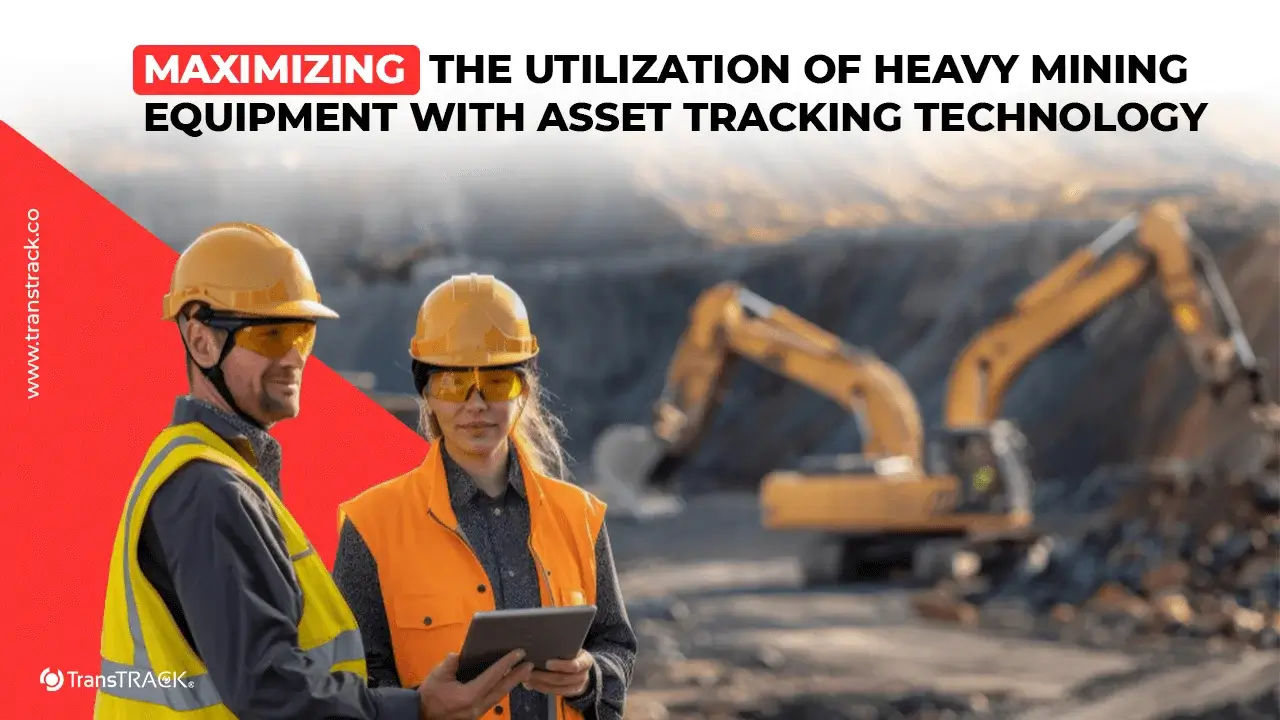
The mining industry operates in a complex, expansive, and high-risk environment. The movement of massive heavy equipment, high investment values, and pressure to maintain productivity make operational visibility a key requirement. Without an accurate monitoring system, companies will find it difficult to control utilization, avoid downtime, and ensure that every asset is working according to plan.
This is where asset tracking technology plays an important role. With the support of GPS, telematics, and real-time analytics, mining companies can comprehensively monitor the location, performance, and condition of their machines. The results are not only efficiency, but also improved safety and faster, data-driven decision making. Read the full explanation in the following article TransTRACK !
The Urgency of Asset Tracking in the Mining Industry
Mining operations take place in vast areas with extreme environmental conditions. Thick dust, high vibrations, hot temperatures, and limited communication infrastructure make monitoring heavy assets a major challenge. Without the right monitoring system, companies will find it difficult to determine the position of units, operational status, and productivity of equipment in the field in real time.
The investment value of heavy equipment such as excavators, haul trucks, and dozers reaches millions of dollars per unit. Therefore, tracking is not only about knowing where assets are located, but also how to ensure that each unit works optimally, has high utilization, and does not experience detrimental idle time. This visibility helps data-driven decision making for work planning, equipment rotation, and maintenance strategies.
The main objectives of asset tracking are to reduce downtime, prevent potential loss or misuse of assets, and optimize fuel consumption. With real-time information on movement, machine hours, and operational patterns, mining companies can improve efficiency, maintain safety, and maximize return on investment from their entire fleet.
How to Track Heavy Equipment at Mining Sites
To ensure that each piece of heavy equipment operates optimally in challenging mining environments, a combination of tracking technology, communication systems, and integrated analytics platforms is required. The synergy between field devices and control centers allows companies to gain comprehensive visibility into the real-time location, performance, and condition of their assets.
GPS and Satellite Technology
Tracking heavy equipment in remote mining areas requires GPS and satellite communications support so that data can still be transmitted even when there is no cellular network available. This technology ensures consistent visibility of unit positions across the entire operating area.
Telematics Sensor
Telematics devices collect various important data such as hour meter, engine condition and health, and operator behavior. This information is the basis for improving productivity, planning maintenance, and preventing unexpected damage.
Mesh Network or Private LTE
To address signal limitations in mining areas, companies can build independent communications infrastructure through mesh networks or private LTE. With stable connectivity, data transmission from each unit to the control center can take place without interruption.
Software Dashboard
Raw data from GPS and sensors is then processed into easy-to-understand information through a real-time visual dashboard. Management can monitor equipment movement, utilization, performance, and potential problems in a single integrated view.
Steps for Implementing Heavy Equipment Tracking
The implementation of heavy equipment tracking systems requires a structured approach to ensure that the technology works optimally in harsh mining environments. From device selection and data integration to the configuration of digital operational areas, each stage plays an important role in ensuring information accuracy and operational sustainability.
Installation of Robust Hardware
Tracking devices must be designed to withstand extreme conditions, including exposure to dust, water, vibration, and high temperatures. The use of hardware with protection standards such as IP67 or IP69K ensures that the device continues to function stably and minimizes the risk of damage in the field.
CAN-bus System Integration
Through integration with CAN-bus, the system can retrieve data directly from the main computer of heavy equipment such as Caterpillar, Komatsu, Volvo, and others. The information obtained includes engine parameters, fuel consumption, and fault codes, which are very important for performance monitoring and maintenance.
Geofencing Configuration
Geofencing allows companies to create virtual boundaries within mining areas. If a unit strays from its route or enters a specific zone, the system will send an automatic alert so that security monitoring and operational compliance can be maintained in real time.
Strategic Benefits Beyond GPS Positioning
Asset tracking in the mining industry provides value that goes far beyond mere location information. By utilizing comprehensive operational data, companies can increase productivity, strengthen workplace safety, and ensure compliance with various standards and regulations.
Cycle Time Improvement
Equipment movement data enables detailed analysis of loading times, transport times, and waiting times. From this, companies can identify bottlenecks and make process improvements to achieve maximum productivity.
Work Safety
The system is capable of monitoring unit speed, movement patterns, and proximity between vehicles. This information helps prevent potential accidents, reduce the risk of collisions, and create a safer working environment for operators.
Regulatory Compliance
With automated and documented operational recording, the reporting process for government and internal audit requirements becomes much easier. Data transparency also increases accountability in every activity in the mining area.
Tips for Choosing an Asset Tracking Vendor for Mining
Choosing the right technology partner is crucial to the success of asset tracking implementation in mining areas. An experienced vendor will help ensure that the system runs smoothly, is easily integrated, and is capable of responding to operational challenges in extreme environments.
- Technical support in remote locations so that disruptions can be handled quickly without hampering production.
- The ability to integrate APIs with the company’s ERP system so that operational data flow and reporting become automated.
- Battery and device resistance to electromagnetic interference to maintain consistency and reliability of data transmission.
Conclusion
In the mining industry, asset tracking is no longer just an operational supplement, but a key foundation for maintaining productivity, safety, and profitability. Real-time visibility into location, working hours, machine condition, and operational patterns enables companies to make faster, more accurate, and data-driven decisions. The end result is clear: reduced downtime, controlled costs, and increased equipment utilization.
To maximize these benefits, a platform is needed that can not only track but also integrate all data into actionable insights. TransTRACK’s Smart Fleet Management System provides comprehensive monitoring, intelligent analytics, and connectivity specifically designed to address the challenges of the mining environment.
It’s time to move beyond simply knowing the location of your equipment to controlling the performance of your entire fleet. Contact TransTRACK and discover how the right technology can take your operational efficiency to the next level.
FAQ: Asset Tracking
What is the best technology for tracking assets in mining areas without cellular signals?
A commonly used solution is dual-mode tracking with a combination of satellite and cellular. With the addition of a store-and-forward feature, data will be stored offline and sent automatically when a connection is available.
How can heavy equipment fuel consumption be monitored accurately?
This is done through fuel level sensors connected to GPS and telematics systems. This approach helps identify theft, leaks, and inefficient use.
What is the average cost of implementing asset tracking for heavy equipment?
Costs typically include initial investment for equipment and installation (Capex), as well as subscription fees for software, connectivity, and service support (Opex).
Can asset tracking predict machine breakdowns?
Yes, with predictive maintenance technology that monitors data such as temperature, pressure, and operating hours to detect potential disruptions early on.
Recent Post





Topic :