Bahasa Indonesia
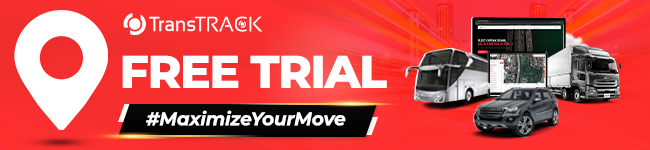

Vehicle Surveillance System (VSS), Smart Technology for Vehicle Monitoring
Posted on April 8, 2026 by Nur Wachda Mihmidati
The Vehicle Surveillance System (VSS) is a technology-based vehicle monitoring system that integrates cameras, GPS, and sensors to provide real-time visibility into vehicle activity. This system is used to enhance security, improve operational efficiency, and provide visual evidence for fleet management. Read the full explanation in the following TransTRACK article!
Apa itu Vehicle Surveillance System (VSS)?
The Vehicle Surveillance System (VSS) is a technology-based vehicle monitoring system used to monitor, track, and record vehicle activity in real time in order to enhance security, operational efficiency, and fleet control.
Simply put, VSS is a combination of cameras, sensors, and communication systems installed on a vehicle to provide full visibility of conditions inside and around the vehicle.
The primary purpose of using a Vehicle Surveillance System (VSS)
To address the need for security, transparency, and operational efficiency in fleet management, VSS offers an integrated and relevant solution for a wide range of industries.
1. Asset Security
- Monitoring vehicles and cargo in real time
- Preventing theft and misuse of assets
- Identifying suspicious activity more quickly
- Reducing the risk of losing items during transit
2. Legal Evidence
- Providing video footage as evidence in the event of an incident
- Protecting the company from false claims or fraud
- Supporting the accident investigation process
- Facilitating the objective resolution of disputes
3. Operational Efficiency
- Optimizing vehicle usage and travel routes
- Reducing idle time and vehicle misuse
- Improving overall fleet productivity
- Supporting data-driven analysis for decision-making
4. Driver Protection
- Improving safety through monitoring of driving behavior
- Provides protection against unfounded allegations
- Assisting with driver training and evaluation
- Creating a safer and more controlled work environment
Strategic Benefits for Businesses
By implementing the Vehicle Surveillance System (VSS), the company not only enhances operational control but also achieves measurable business results.
1. Reduction of Insurance Claims
- Visual evidence reduces fraud
- Streamlining the claim verification and settlement process
- Reducing premium costs in the long term
- Minimizing losses resulting from unclear incidents
2. Improving Driver Discipline
- Consistent monitoring of driving behavior
- Promoting compliance with SOPs and regulations
- Reducing violations such as speeding or sudden braking
- Fostering a culture of safe driving
3. Cargo & Asset Security
- Cargo monitoring during transit
- Early detection of potential theft or irregularities
- Ensuring the integrity of goods until they reach their destination
- Building customer trust
4. Real-Time Location Tracking
- Full visibility into fleet movements
- Streamlines coordination and dispatching
- Quick response to changing conditions on the ground
- Supporting real-time data-driven decision-making
How Does a Vehicle Surveillance System Work?
VSS works by integrating in-vehicle devices and digital platforms to capture, store, and display data in real time.
1. Data Capture
- The camera records the road conditions, the interior, and the vehicle’s surroundings
- The sensor detects data such as speed, vibration, or door status
- GPS transmits the vehicle’s location in real time
- All data is collected automatically during operations
2. Local Storage vs Cloud
- The data is temporarily stored on the device (DVR/NVR) in the vehicle
- Synchronization to the cloud is performed periodically or in real time
- Cloud storage allows you to access your data from anywhere
- This combination ensures that the data remains secure and is not lost
3. Live Monitoring & Alert
- The data is displayed in real time via the monitoring dashboard
- The system sends a notification if a violation or anomaly occurs
- Alerts can include speeding, route deviations, or incidents
- Enables a swift response to prevent greater risks
Smart Features in Vehicle Surveillance Systems
As technology advances, VSS is now equipped with smart features that not only record but also analyze and proactively issue alerts.
1. Advanced Driver Assistance Systems (ADAS)
- Detecting potential collisions (forward collision warning)
- Lane departure warning
- Safe distance detection with the vehicle ahead
- Helping drivers make faster and safer decisions
2. Driver Monitoring System (DMS)
- Detecting driver fatigue or drowsiness
- Identifying distractions (such as cell phone use)
- Monitoring behaviors such as smoking or lack of focus
- Provide alerts to improve driving safety
3. Blind Spot Detection (BSD)
- Identifying blind spots around the vehicle
- Provide a warning when there is an object on the blind side
- Reducing the risk of accidents when changing lanes
- Raising drivers’ awareness of their surroundings
4. Automatic Number Plate Recognition (ANPR)
- Automatically reading and recognizing vehicle license plates
- Supports access control and security for operational areas
- Helps track vehicles entering and exiting
- Useful for audits and compliance requirements
How to Choose the Right Vehicle Surveillance System
To ensure that your VSS investment delivers maximum results, it is important to choose a system that meets your operational needs, not just one with basic features.
1. Image Quality
- Choose a camera with a resolution of at least HD up to 2K/1080p for clear results
- Ensure optimal performance in low-light conditions or at night
- Multi-channel recording (2–8 cameras) for 360° coverage
- Video compression (H.264/H.265) for efficiency without sacrificing quality
2. Durability
- Use industrial-grade equipment
- Resistant to extreme temperatures and vehicle vibrations
- Features electrical protection (wide voltage range, shock protection) for heavy-duty use
- Ideal for industries such as logistics, mining, or agriculture
3. Scalability
- It’s easy to add more vehicles or cameras as your business grows
- Supports multi-device integration (multi-channel, multi-fleet)
- Cloud systems enable expansion without the limitations of on-premises infrastructure
- Flexible for various types of fleets (trucks, buses, heavy equipment)
4. Software Integration
- Integrated with fleet management or telematics platforms
- Supports GPS tracking, dashboard monitoring, and reporting
- Can be integrated with other systems (ERP, TMS, or compliance systems)
- Has an API or integration protocol (e.g., a transport monitoring platform)
Conclusion
The Vehicle Surveillance System (VSS) is no longer merely a monitoring tool; it has become a strategic component of modern fleet management. With capabilities ranging from real-time monitoring and driver behavior analysis to the provision of visual evidence, VSS helps businesses improve safety, efficiency, and operational transparency across the board.
Amid increasingly complex industry demands, the use of VSS enables companies to reduce risks, cut costs, and continuously improve fleet performance.
Optimize Your Fleet Operations with TransTRACK
Enhance security and operational efficiency with the Vehicle Surveillance System from TransTRACK, which is integrated with an intelligent monitoring platform.
Get full visibility, real-time control, and data-driven insights to ensure every trip is safer, more efficient, and better managed.
Start your operational transformation today with TransTRACK.
FAQ
What is the difference between a standard dash cam and a vehicle surveillance system?
Dash cams typically operate independently and store data locally, whereas Vehicle Surveillance Systems are integrated with MDVRs, support multiple cameras, and can be monitored remotely in real time.
How is the video quality at night?
Modern systems use infrared (IR) technology or Super Night Vision sensors to provide clear images even in total darkness.
Can the Vehicle Surveillance System be accessed from a smartphone?
Yes, VSS can be accessed via the mobile app or web dashboard. Users can monitor vehicles in real time, view recordings, and receive notifications directly on their smartphones.
How much storage capacity does the MDVR have for recordings?
Storage capacity depends on the size of the storage device (HDD/SD card), the number of cameras, and the recording quality. Generally, the system can store recordings for 7–30 days before they are automatically overwritten.
Does this system continue to record when the engine is turned off?
Yes, the professional system is equipped with a delayed shutdown feature or uses a backup battery/power management system to continue monitoring while parked (Parking Mode).





Topic :