Bahasa Indonesia

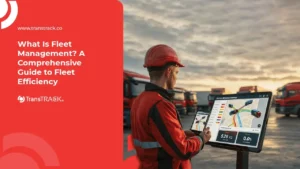
What Is Fleet Management? A Comprehensive Guide to Fleet Efficiency
Posted on April 23, 2026 by Nur Wachda Mihmidati
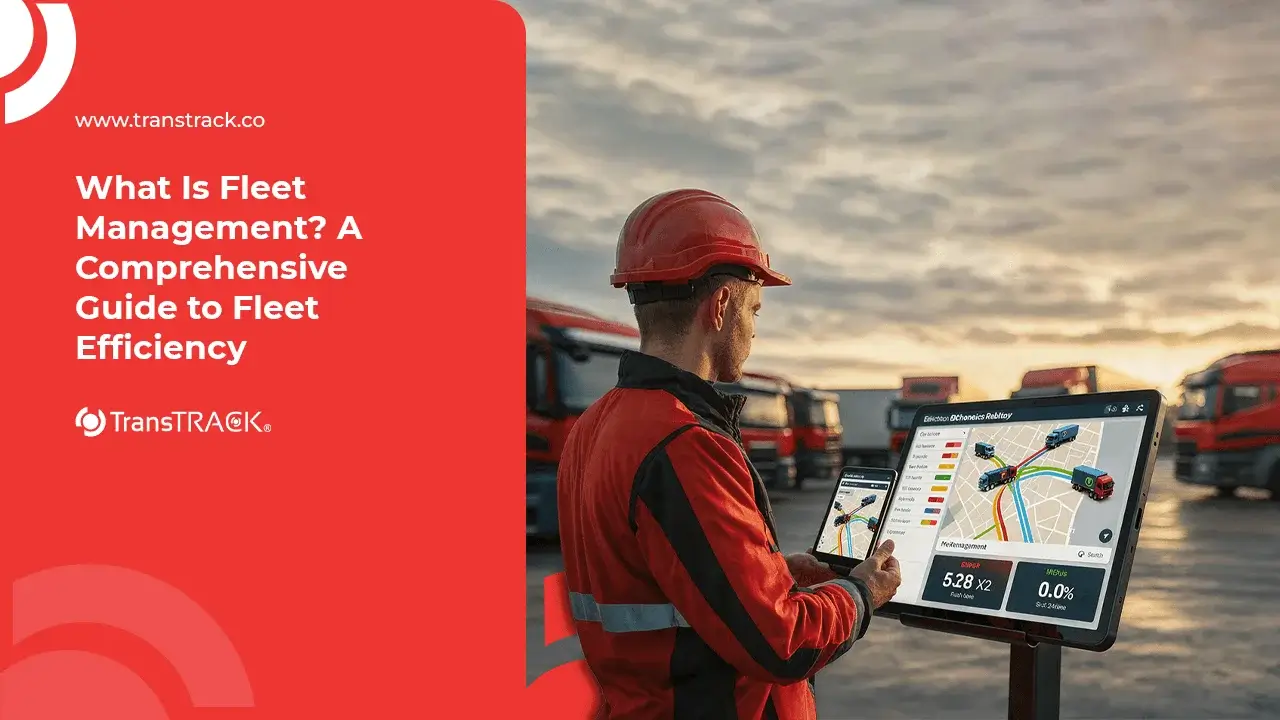
Fleet Management is an integrated system for managing vehicle fleets through GPS tracking, driver management, maintenance, and fuel control. This solution helps various industries improve efficiency, reduce costs, and enhance safety. With the right digital implementation, companies can optimize operations, increase ROI, and address challenges such as traffic congestion, fluctuating costs, and the need for transparency. Read the full explanation in the TransTRACK article below!
What Is Fleet Management?
As discussed earlier, Fleet Management is an integrated process for managing a company’s operational vehicles to improve efficiency, safety, and productivity. This system includes real-time fleet monitoring, vehicle maintenance, driver management, and data analysis to support more effective decision-making.
What Are the Key Pillars of a Fleet Management System?
To ensure that fleet operations run efficiently, safely, and under control, there are several key pillars that form the foundation of a fleet management system:
Vehicle Tracking (GPS Tracking)
Monitoring vehicle locations and movements in real time to improve visibility and operational efficiency.
Driver Management
Manage driver performance, behavior, and safety to minimize risks and improve productivity.
Vehicle Maintenance
Schedule and monitor vehicle maintenance to keep them in top condition and reduce the risk of breakdowns.
Fuel Management
Monitoring fuel consumption to reduce operating costs and prevent misuse.
Compliance & Security
Ensuring that all fleet operations comply with regulations and maintaining safety standards for vehicles and drivers.
The Benefits of Implementing Fleet Management for Companies
The implementation of fleet management offers a range of strategic benefits that directly impact operational and business performance:
- Increased ROI Optimizing vehicle utilization, improving fuel efficiency, and reducing operating costs help significantly increase return on investment.
- Workplace Safety Monitoring driver behavior and vehicle condition improves safety standards and reduces the risk of accidents.
- Customer Satisfaction More timely deliveries and operational transparency enhance customer trust and satisfaction.
- Sustainability Efficient fleet management helps reduce emissions and supports more environmentally friendly business practices.
What types of companies can use fleet management?
Fleet management can be implemented in various industries that rely on operational vehicles to support their business activities:
- Logistics Distribution and shipping companies that ensure route efficiency and on-time delivery.
- Transportation Passenger and freight transport operators to improve service and safety.
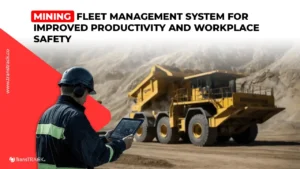
- Mining Mining companies use this to monitor heavy equipment and operational vehicles in the work area.
- FMCG A fast-moving consumer goods company that ensures the smooth distribution of products to the market.
- Rental A vehicle rental company that manages fleet usage and maximizes utilization.
- Medical Services Health services such as ambulances and the distribution of medical supplies to ensure a swift and appropriate response.
What are the benefits of using fleet management for that industry?
The implementation of fleet management provides specific benefits tailored to the operational needs of each industry, while also improving overall efficiency:
- Logistics Improving delivery timeliness, route optimization, and real-time distribution visibility.
- Transportation Helps ensure passenger safety, improve service quality, and ensure more controlled operational schedules.
- Mining Monitoring heavy equipment usage, improving productivity, and minimizing downtime in operational areas.
- FMCG Accelerating product distribution, ensuring product availability in the market, and reducing delivery delays.
- Rental Optimizing vehicle utilization, monitoring fleet locations, and reducing the risk of loss or misuse.
- Medical Ensuring faster emergency response, improving the reliability of ambulance services, and supporting the efficient distribution of medical supplies.
How Is Fleet Management Transitioning from Manual to Digital?
The transition from a manual system to a digital one requires a phased approach to ensure effective adoption with minimal obstacles:
- Phase 1: Asset Audit— Conduct an inventory of all vehicles, including their condition, age, operational status, and maintenance history, as the basis for digitization planning.
- Step 2: Vendor Selection Selecting the right Fleet Management System (FMS) solution by considering business needs, the SaaS vs. on-premise model, ease of integration, and service support.
- Step 3: Driver Onboarding Educate drivers about the benefits of the system, such as improved safety and efficiency, and foster open communication to reduce resistance to the use of GPS tracking.
Challenges in Fleet Management in Indonesia
Fleet management in Indonesia faces various challenges that must be addressed to ensure operations remain efficient and competitive:
- Infrastructure Conditions & Traffic Congestion Variations in road quality and unpredictable traffic congestion levels can affect travel time and distribution efficiency.
- Fluctuations in Raw Material and Parts Prices Changes in the prices of fuel and vehicle components have a direct impact on operating costs and budget planning.
- Driver Resistance to Technology Privacy concerns often pose a barrier to the implementation of GPS-based systems, making it necessary to adopt a communication approach that emphasizes transparency and mutual benefits.
How to Choose the Right Fleet Management Software
Choosing the right fleet management software requires strategic consideration to ensure the system can support long-term business growth and operations:
- Scalability Ensure the system can scale as your fleet, user base, and operational needs grow without requiring major infrastructure changes. Cloud-based solutions (SaaS) are generally more flexible for scaling than on-premises solutions
- User-Friendliness Choose software with an intuitive interface that is easy for both operational and management teams to use, thereby accelerating adoption and minimizing the need for training.
- After-Sales Service & Local Technical Support A vendor that offers responsive support and a local team will assist with implementation, troubleshooting, and future system development.
- Integration Capabilities with Internal Systems (ERP/Accounting) The software must be able to integrate with other systems such as ERP, accounting, or payroll so that operational data is connected and business processes run more efficiently
Conclusion
Fleet management serves as a strategic solution for companies to enhance operational efficiency, safety, and overall control over their fleets. With the right approach—from system selection to implementation—companies can optimize performance and significantly reduce costs.
It’s time to switch to a more integrated, data-driven system. Use TransTRACK’s Fleet Management System to gain real-time visibility, smarter fleet management, and boost your business productivity.
Optimize your operations, boost efficiency, and achieve your fleet’s digital transformation with TransTRACK today.
FAQ
How does fleet management reduce operating costs?
Through route optimization for the shortest distance, reducing idling time (when the engine is running while the vehicle is stopped), and preventing major breakdowns through preventive maintenance.
Do small businesses need a fleet management system?
Yes. Even for just 2–3 vehicles, a digital system helps prevent theft, reduce the risk of accidents, and simplify tax and expense reporting.
What is the difference between GPS tracking and fleet management?
GPS only tracks location, while Fleet Management manages the entire vehicle ecosystem, including costs, drivers, compliance, and vehicle maintenance.
How does Fleet Management improve a company’s ROI?
Through reductions in fuel costs (15–25%), lower maintenance costs (up to 20%), and improved overall asset utilization.
How long does it take to implement a Fleet Management System?
Implementation time varies depending on the size of the fleet and the complexity of operations, but it can generally be completed in a few days to a few weeks with vendor support.
Is Fleet Management accessible in real time?
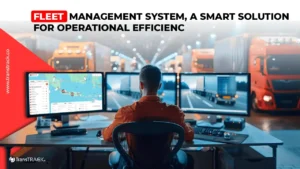
Yes. Modern fleet management systems enable real-time monitoring of the fleet via a web-based dashboard or mobile app, making it easier to make quick decisions.
Recent Post



Topic :