Bahasa Indonesia


How Driver Behavior Monitoring Helps Improve Driver Safety
Posted on April 28, 2026 by Nur Wachda Mihmidati
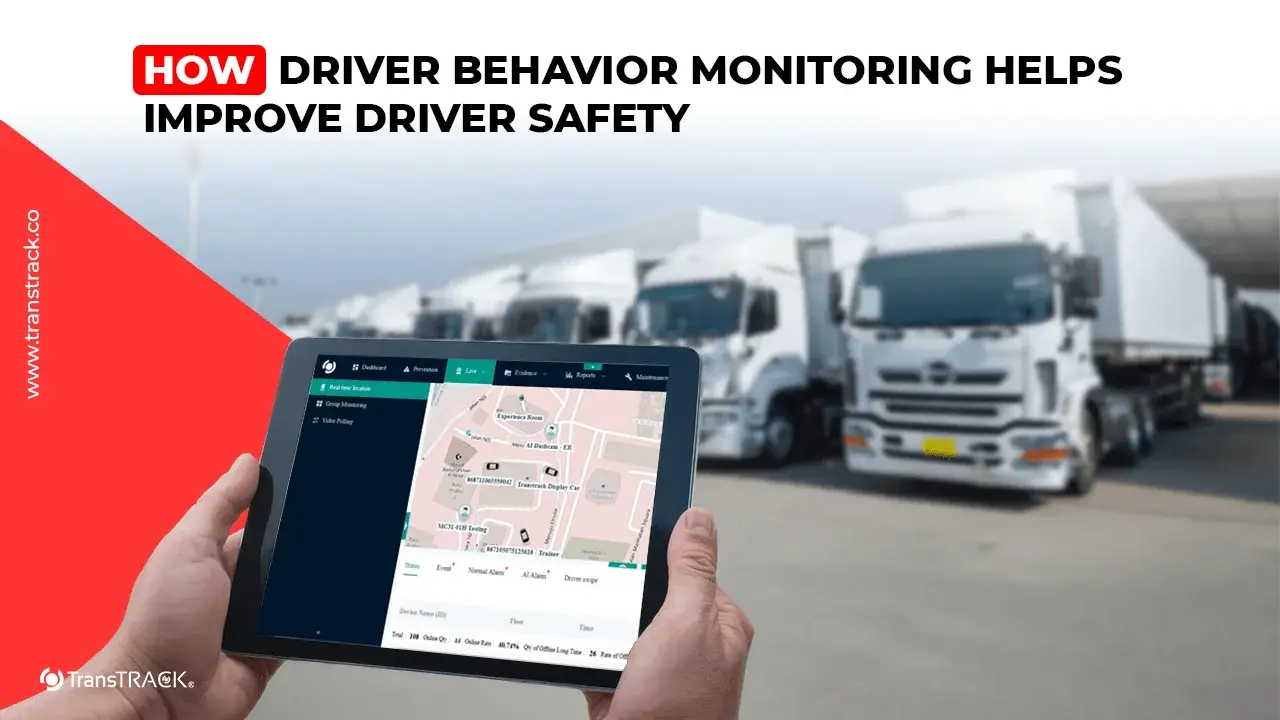
In modern fleet operations, safety and efficiency are determined not only by the condition of the vehicles, but also by driver behavior on the road. That’s why Driver Behavior Monitoring (DBM) technology offers a data-driven solution that provides comprehensive visibility into driving behavior, enabling companies to make more informed decisions to improve safety and operational performance. Read the full explanation in the following TransTRACK article!
What is Driver Behavior Monitoring (DBM)?
Driver Behavior Monitoring (DBM) is a system used to monitor, analyze, and evaluate driver behavior while driving, either in real time or based on historical data. Its purpose is to improve safety and operational efficiency, as well as reduce the risk of accidents and unsafe driving behavior.
DBM typically operates by collecting data from various vehicle sensors or telematics devices, such as GPS, accelerometers, and cameras, and integrates with fleet management systems.
Why Is Monitoring Driver Behavior Important?
In modern fleet operations, vehicles are not the only critical asset; drivers play a major role in determining safety, efficiency, and operating costs. Therefore, understanding and monitoring driver behavior is a strategic step that cannot be overlooked. The impact is directly evident in the following areas:
1. Improved Safety
Monitoring driver behavior helps identify risky driving habits such as speeding, sudden braking, or aggressive maneuvers. With this data, companies can provide training and correct behavior, thereby significantly reducing the risk of accidents.
2. Cost Efficiency
Poor driving behavior has a direct impact on fuel consumption, maintenance costs, and vehicle downtime. With proper monitoring, companies can optimize driving practices to make operations more cost-effective and efficient.
3. Insurance Premiums
Many insurance companies take a fleet’s safety record into account when determining premiums. Data showing good driving behavior can help reduce the risk of claims, which in turn has the potential to lower insurance premiums.
4. Vehicle Age
Aggressive driving accelerates wear and tear on vehicle components such as brakes, tires, and the engine. With consistent monitoring, driving behavior can be managed to extend the vehicle’s lifespan and maintain its value.
What Does Driver Behavior Monitoring Track?
Driver Behavior Monitoring (DBM) tracks various driving behaviors to ensure that fleet operations remain safe, efficient, and under control. The following are the key indicators monitored:
1. Harsh Acceleration
This occurs when the driver presses the accelerator pedal suddenly and aggressively. This behavior can increase fuel consumption and accelerate wear and tear on vehicle components.
2. Sudden Braking (Harsh Braking)
This monitoring system detects sudden and hard braking. In addition to posing a risk of causing accidents, this habit also affects brake performance and driving comfort.
3. Sharp Turns (Harsh Cornering)
DBM detects when a driver is taking a turn at an unsafe speed or in an unsafe manner. This can increase the risk of skidding or losing control of the vehicle.
4. Speeding
The system monitors whether the vehicle is exceeding the speed limit. This is one of the main causes of traffic accidents.
5. Engine Running Without Moving (Idling)
A situation where the engine is running but the vehicle remains stationary for an extended period, resulting in wasted fuel and unnecessary emissions.
6. Driver Distractions
Detecting signs of distraction while driving, such as cell phone use or lack of focus, which can increase the risk of road accidents.
How Does Driver Behavior Monitoring Improve Safety?
Driver Behavior Monitoring (DBM) enhances safety by transforming driving behavior data into concrete preventive measures. This system not only records incidents but also helps prevent risks before they turn into accidents.
1. Detecting risky behavior in real time
DBM can instantly detect actions such as speeding, sudden braking, or aggressive maneuvers. These early warnings allow for immediate corrective action on the spot.
2. Provides a foundation for driver correction and training
The collected data is used to evaluate driver performance. Companies can provide more targeted coaching based on actual behavior, rather than assumptions.
3. Reducing the risk of accidents
By monitoring dangerous driving habits, DBM helps reduce the frequency of situations that could lead to road accidents.
4. Improving compliance with operational standards
Drivers become more disciplined because they know their behavior is being monitored and evaluated objectively.
5. Fostering a safer driving culture
In the long run, DBM helps foster safer and more consistent driving habits across the entire fleet.
What Technologies Are Behind Driver Behavior Monitoring?
Driver Behavior Monitoring (DBM) works by combining various technologies to accurately capture, process, and analyze driver behavior. The following are the main technologies used:
1. Telematics & IoT
Telematics and IoT (Internet of Things) technologies form the core foundation of DBM. These technologies collect real-time vehicle data—such as GPS location, speed, travel routes, and engine status—for centralized monitoring.
2. Accelerometer & Gyroscope
This sensor detects changes in vehicle movement, such as sudden acceleration, hard braking, and sharp turns. The data from this sensor is essential for assessing driving style with greater precision.
3. Camera AI (Driver Monitoring System – DMS)
AI-powered cameras are used to monitor the driver’s condition in real time, including their level of focus, drowsiness, and distractions (such as cell phone use). This technology helps improve safety by addressing human factors.
4. Big Data Analysis
All data collected from various sensors and devices is processed using big data analytics. The results of this analysis are used to generate insights, driver performance reports, and recommendations for operational improvements.
Conclusion
Driver Behavior Monitoring (DBM) is a critical solution in modern fleet management that helps companies understand, control, and improve driver behavior through data-driven insights. By leveraging technologies such as telematics, vehicle sensors, AI cameras, and big data analytics, DBM provides comprehensive visibility into driving activities.
The results include not only improved safety but also cost efficiency, reduced operational risks, and optimized vehicle lifespan. In practice, DBM serves as a crucial foundation for fostering a safer and more disciplined driving culture across the entire fleet.
However, to achieve optimal results, a system is needed that can integrate real-time monitoring with accurate and actionable analytics.
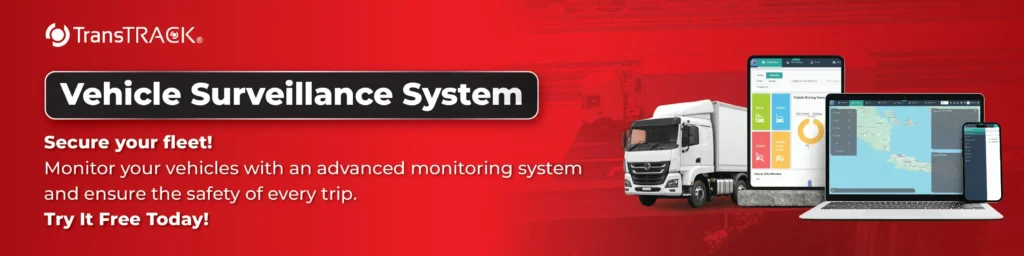
Enhance your fleet’s overall control and visibility with the TransTRACK Vehicle Surveillance System. This solution provides real-time vehicle and driver monitoring, driving behavior analysis, and data integration to help you make faster and more informed decisions.
With a single integrated platform, you can significantly improve safety, operational efficiency, and fleet transparency.
It’s time to switch to a smarter, more proactive system. Manage your fleet more safely, efficiently, and effectively with TransTRACK.
FAQ
How does Driver Behavior Monitoring work?
The system uses telematics sensors and GPS to record vehicle movement data, which is then analyzed by software to assess driving style.
Does this system violate drivers’ privacy?
No, if implemented with a policy of transparency. The focus is on workplace safety and the efficient use of company assets, not on personal surveillance.
Can this system detect drowsy drivers?
Yes, through the integration of an AI camera that monitors eye-blinking patterns, gaze direction, and head position to identify signs of fatigue.
How do I integrate DBM with an existing fleet management system?
DBM can be integrated via an API or an existing fleet management platform, allowing driver behavior data to be fed directly into the operational dashboard without the need for a separate system.
What is the difference between standard GPS tracking and driver behavior monitoring?
GPS tracking focuses solely on vehicle location and movement, whereas DBM analyzes driving behavior—such as acceleration, braking, and driver behavior—to provide deeper insights into safety and efficiency.





Topic :