Bahasa Indonesia


Definition, Causes, Examples, and How to Prevent Cross Contamination
Posted on March 19, 2026 by Nur Wachda Mihmidati
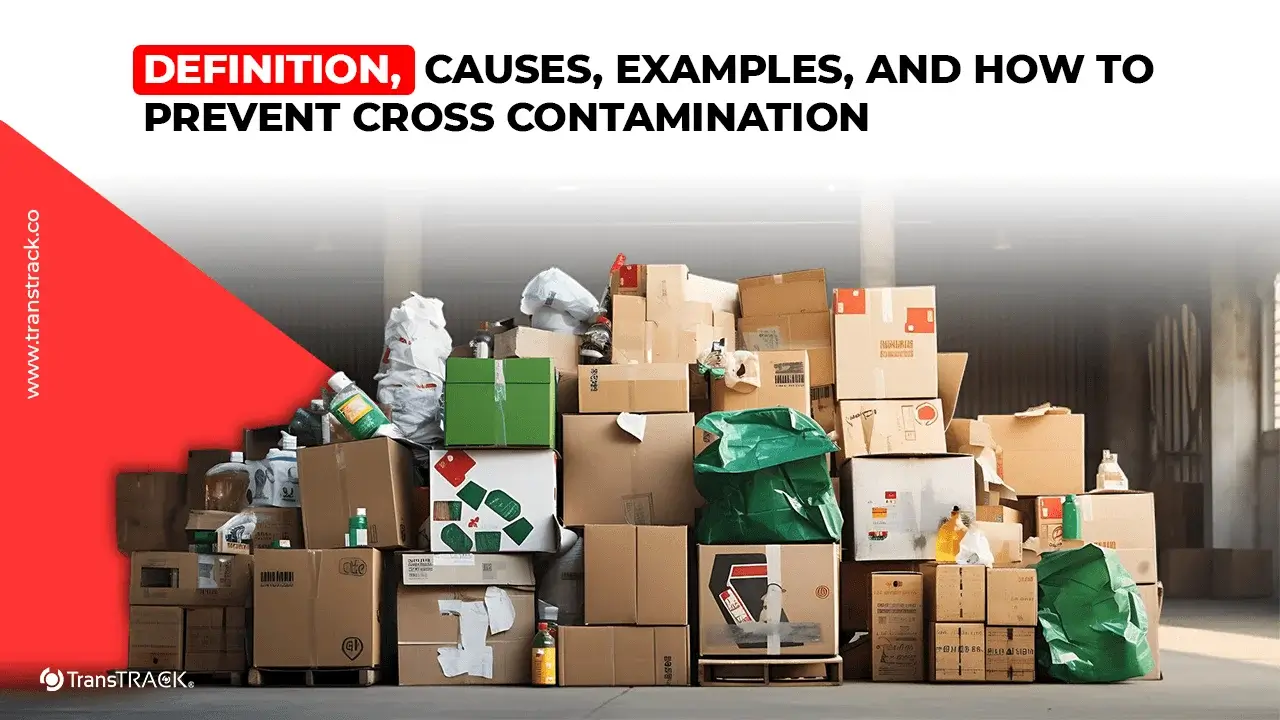
Cross contamination is the transfer of bacteria, viruses, or other harmful substances from one object to another, which can lead to contamination. This commonly occurs in food processing, but it can also happen in various environments such as homes, restaurants, and even the logistics industry.
In simple terms, cross contamination is a condition where clean food becomes contaminated due to direct or indirect contact with a source of contamination. It is not limited to food alone—cross contamination can occur through the transfer of microorganisms from raw food to ready-to-eat food, from human hands to food, or from contaminated equipment to food. Get to know more in this TransTRACK article!
Main Causes of Cross Contamination
Some of the most common causes of cross contamination include:
- Contact between raw and cooked food
For example, raw meat touching vegetables that are ready to eat. - Unclean kitchen equipment
Knives, cutting boards, and other kitchen tools used without proper cleaning. - Poor sanitation practices
Not washing hands, especially after handling raw food. - Improper storage
Raw and cooked foods stored close together without separation, increasing the risk of contamination. - Improper storage temperature
Storing food at incorrect temperatures can accelerate bacterial growth.
Cross Contamination in Food Processing
Cross contamination in food processing is one of the main causes of food poisoning. It does not only occur in restaurants or commercial kitchens but can also happen in household kitchens.
Some common examples include:
- Using the same cutting board for raw meat and fruits without washing or disinfecting it
- Storing raw meat above cooked food in the refrigerator
- Not washing hands after handling raw meat or eggs
Examples of Cross Contamination
Here are some common examples of cross contamination:
- Using the same knife for raw meat and vegetables
- Touching food without washing hands
- Liquid from raw meat dripping onto other food
- Using a dirty kitchen cloth to clean utensils or surfaces
Types of Cross Contamination
There are several types of cross contamination to be aware of:
- Direct Cross Contamination
Direct contact between two foods (e.g., raw meat touching cooked food) - Indirect Cross Contamination
Through intermediaries such as insects (e.g., flies), hands, or kitchen surfaces and utensils - Airborne Contamination
Contamination through the air, such as dust or droplets
Storage Temperatures That Prevent Bacterial Growth
Temperature plays a crucial role in preventing contamination, as it determines how quickly bacteria can grow in food. Key temperature guidelines include:
- Below 5°C → Slows down bacterial growth
- 5°C – 60°C (danger zone) → Bacteria grow rapidly
- Above 60°C → Kills most bacteria (e.g., through cooking)
Maintaining proper storage temperatures is one of the most important aspects of food safety.
How to Avoid Cross Contamination
Here are several ways to avoid cross contamination:
- Separate raw and cooked foods
- Use different cutting boards for different ingredients (e.g., one for meat, one for vegetables)
- Wash hands before and after food preparation
- Clean kitchen equipment regularly and thoroughly, especially after use
- Use sealed containers when storing food to prevent contamination from microorganisms
Conclusion
Cross contamination is a serious risk in food processing that can lead to health issues and even severe consequences. By understanding what cross contamination is, along with its causes and prevention methods, you can effectively reduce and anticipate potential risks.
Always maintain proper hygiene for yourself, utensils, and kitchen equipment, and carefully control storage temperatures. Separating food items is one of the simplest yet most effective steps to prevent contamination.
Although the risk is significant, cross contamination can be minimized through simple practices such as separating storage areas, maintaining routine sanitation, and using clear labeling. In addition, modern technologies such as Halal Logistics, IoT sensors, and digital halal compliance systems help ensure that supply chains remain safe and transparent.
All these technologies designed to prevent cross contamination can be accessed by contacting TransTRACK. Let us know your needs and get the best solution to minimize cross contamination risks.

FAQ
What is cross contamination in a warehousing context?
In this industry, cross contamination refers to the transfer of contaminants (chemical, physical, or biological) from one product to another. This can occur due to factors such as improper storage proximity or the use of unclean handling equipment.
How can cross contamination be prevented in transport trucks?
By using bulkhead separators for mixed cargo, implementing regular sanitation schedules, and ensuring there are no packaging leaks before loading.
What are the risks of cross contamination in air freight?
The main risk lies in changes in pressure and temperature, which can damage liquid chemical packaging and cause leaks, potentially contaminating other cargo.
Does personal protective equipment (PPE) affect cross contamination?
Yes. Logistics workers must change gloves or protective clothing when moving from handling hazardous materials to clean product areas to prevent contamination.

Recent Post





Topic :