Bahasa Indonesia


Safety Features to Protect Drivers on High-Risk Routes
Posted on March 24, 2026 by Nur Wachda Mihmidati
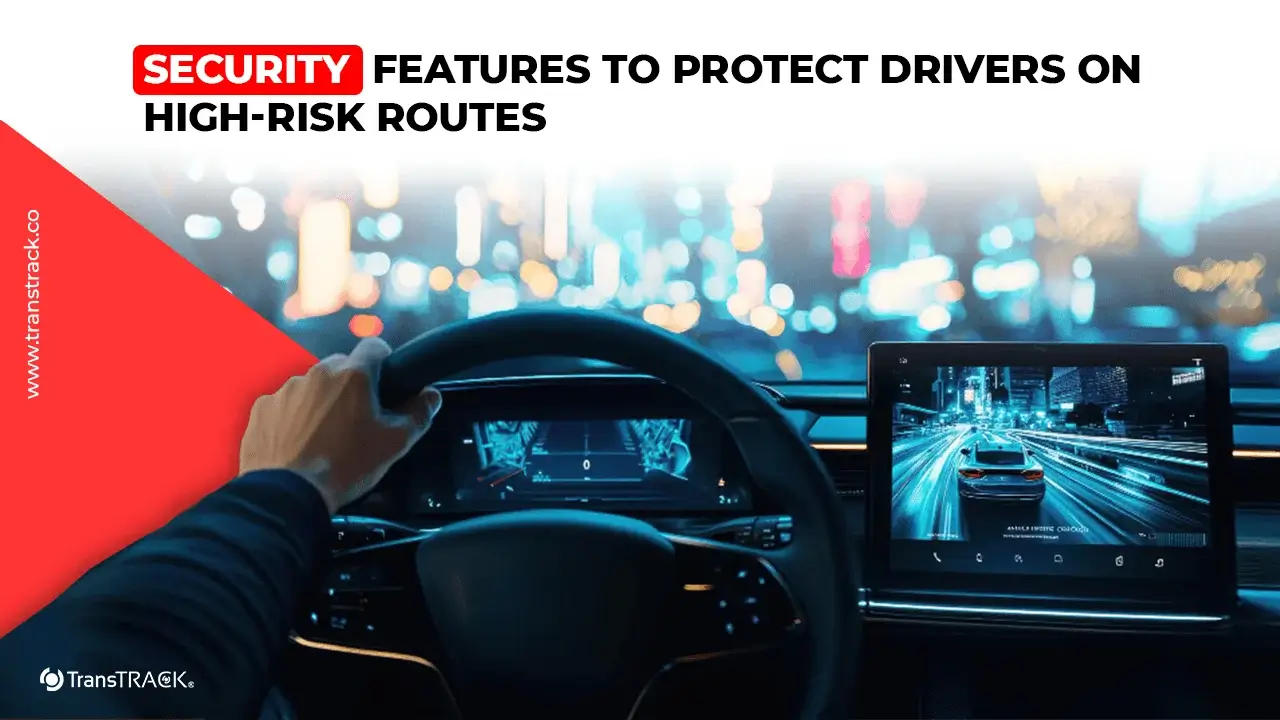
One of the key challenges faced by workers in the logistics industry is the threat of crime along interregional transport routes. Incidents such as robbery, illegal levies, theft, and violence against drivers pose serious risks. Routes with poor lighting, remote locations, and limited or no signal coverage are often the most vulnerable to such criminal activities.
Therefore, it is crucial for companies to equip their fleets with adequate safety features to protect drivers in these situations. These measures not only safeguard the cargo being transported but also serve as preventive actions to protect drivers on duty. Drivers are considered the backbone of logistics operations—without them, distribution would be nearly impossible. Get to know more in this TransTRACK article!
Characteristics of High-Risk or “Red Zone” Routes
To identify them, dangerous routes generally share the following characteristics:
- Extremely limited lighting, reducing driver visibility of surrounding conditions
- Restricted communication access, making it difficult to call for help in emergencies
- Remote locations far from public facilities, with minimal human activity
- High crime history, indicating frequent incidents involving drivers and cargo
Without proper security features, it becomes significantly harder for drivers to protect themselves.
Active Technology-Based Security Features
Thanks to smart fleet management, modern technology now enables a range of active security features that provide real-time protection, including:
Panic Button & SOS Alert
This feature allows drivers to send an emergency signal with a single press. Notifications are instantly received by the control center, complete with accurate location data.
Two-Way Communication System
This system ensures drivers remain connected with the operations team without relying solely on cellular networks. It is especially critical when traveling through areas with poor signal coverage.
Dashcam
Dashcams are increasingly popular in Indonesia. Installed both inside and outside the cabin, they provide real-time monitoring of all activities around the vehicle. They also serve as evidence and act as a deterrent to criminal activity.
Engine Cut-Off
In emergency situations, the system can remotely disable the vehicle’s engine if there are indications of route deviation or potential hijacking.
Physical Vehicle Security Features
In addition to technology, enhancing the physical aspects of the vehicle is equally important for improving security. These include:
Shatter-Resistant Window Film
A special material applied to vehicle windows that can withstand impacts and slow down forced entry attempts.
Auto-Lock System
Vehicle doors automatically lock when the vehicle is in motion, reducing the risk of intrusion when stopping at traffic lights or in isolated areas.
High-Intensity External Lighting
Additional lighting improves visibility in poorly lit areas, reducing potential threats from the surroundings and helping drivers stay more alert.
AI Implementation & Predictive Analytics
AI can be leveraged to enhance driver protection proactively through:
Unusual Behavior Detection
AI systems can detect abnormal driving patterns, such as sudden stops in high-risk areas or unexpected route changes.
Blind Spot Monitoring
Sensors help drivers detect objects or individuals in areas that are difficult to see directly.
Data-Driven Routing
By utilizing historical data, the system can recommend safer routes with lower risk levels.
Safety Procedures (SOP) for Drivers
Even with advanced technology and vehicle upgrades, drivers must be equipped with proper SOPs, including:
Rest Protocol
Drivers are advised to stop only at verified safe locations, such as official rest areas or security-monitored zones.
Periodic Check-In Procedures
Drivers should report their status regularly, especially when passing through high-risk areas, to ensure safety conditions remain under control.
Self-Defense Training
In critical situations, self-defense skills can help drivers avoid dangerous conflicts. Staying calm is also essential to make rational decisions during emergencies.
Conclusion
Security features in logistics operations are no longer just about protecting cargo—they are about safeguarding human lives. By combining fleet security features, advanced technology, and well-prepared drivers, companies can ensure smoother operations while protecting both cargo and personnel.
Investing in security systems is a strategic move to support business continuity while protecting one of the company’s most valuable assets—the driver, who plays a crucial role in keeping distribution and the economy moving.
To achieve this, businesses need solutions that go beyond basic fleet monitoring, offering full visibility and control during emergency situations. TransTRACK’s Smart Fleet Management system provides integrated, real-time security features designed to enhance driver safety on the road.
It’s time to move from traditional systems to smarter, more responsive solutions. Contact TransTRACK today and discover how technology can optimize your operational needs.
FAQ
What security features are essential for a fleet?
Essential features include real-time GPS tracking, emergency buttons, dashcams for full monitoring, and two-way communication systems.
How can drivers be protected from robbery risks?
By using geofencing for safe route planning, installing panic buttons, and conducting regular emergency SOP training. Most importantly, ensure communication remains active even in low-signal areas.
What is geofencing in fleet security?
Geofencing is a technology that creates virtual boundaries on a map. The system automatically sends alerts when a vehicle deviates from its assigned route or stops in suspicious areas.
Is a dashcam effective in preventing road crime?
Yes, dashcams are effective as both a deterrent and a source of visual evidence, helping with investigations and legal processes if incidents occur.

Recent Post





Topic :
driving tipsvehicle enginevehicle safety