Bahasa Indonesia


Complete Guide to Reducing Loss Cargo Risks in the Logistics Business
Posted on February 23, 2026 by Nur Wachda Mihmidati
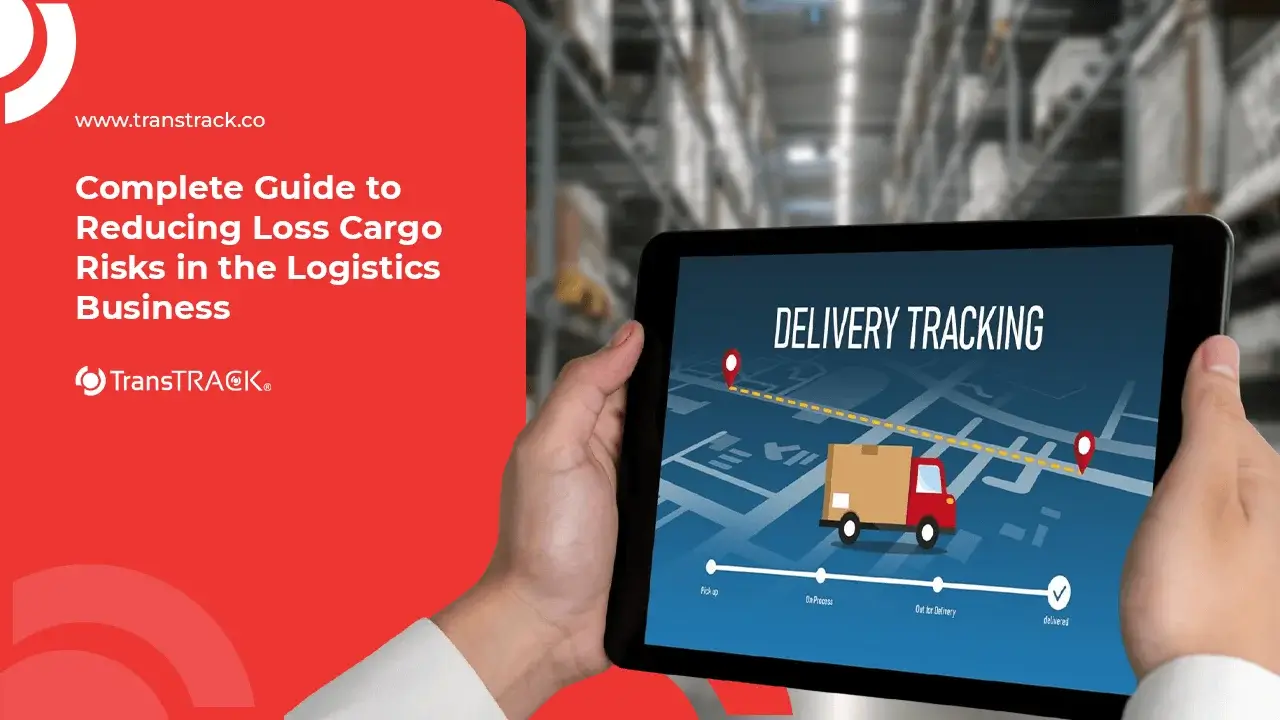
Loss or damage of goods during the shipping process is one of the biggest challenges in the logistics industry. Not only does it cause financial losses, but it can also damage customer trust and company reputation. By understanding the causes, impacts, and strategies for preventing cargo loss, businesses can implement proactive measures to ensure the safety of every shipment and maintain operational efficiency. Check out the following TransTRACK article for more details!
Cargo Loss in the Logistics Industry?
Loss cargo is a condition in which goods suffer physical loss, such as theft or misdelivery, or a decrease in value due to damage during the shipping process.
Financial losses can be direct, such as the value of lost or damaged goods, or indirect, such as a decline in customer trust and the company’s brand reputation.
Main Causes of Damaged or Lost Goods in Transit
Loss or damage to goods not only results in financial losses, but can also undermine customer confidence. Understanding the root causes is the first step to effectively preventing cargo loss.
Human Factors
Errors during loading, lack of precision in handling, or theft by internal or external parties are the most common human factors that cause goods to be damaged or lost.
Technical Factors
Inadequate packaging and unroadworthy vehicles can increase the risk of damage to goods during transportation.
External Factors
Traffic accidents, natural disasters, and extreme weather conditions are factors beyond the company’s control that still need to be taken into account in logistics risk management.
How to Reduce Losses Due to Damaged Goods
Damage to goods in transit not only reduces economic value, but can also damage a company’s reputation. With the right preventive measures, the risk of cargo loss can be significantly minimized.
Packaging Standardization
Use protective materials such as bubble wrap, wooden crates, and tamper-evident seals to protect goods during transport.
Proper Loading Methods
The application of stowage techniques ensures that goods are arranged safely, with heavy items not weighing down fragile items.
Courier Training
Educate drivers and logistics personnel on how to handle goods according to labels, such as “Fragile” or “Keep Dry,” to reduce damage during transit.
Strategies to Prevent Lost Items During Travel
Losing goods during transportation can cause significant losses and damage customer trust. Adopting the right prevention strategies helps ensure that every shipment arrives safely and on time.
Implementasi Fleet Management System (FMS)
Real-time GPS tracking allows companies to monitor the position of their fleet, thereby minimizing the risk of loss or route deviation.
Document Digitization
The use of Electronic Proof of Delivery (E-POD) ensures that goods are received by the correct party and documents the handover process digitally.
Strict Handover Procedures
Checking the number of packages and the physical condition of goods at each transit point (hub) helps prevent delivery errors or loss of goods.
The Importance of Shipping Insurance and Risk Management
Losses due to damaged or lost goods not only have a direct financial impact, but can also damage a company’s reputation. Proactively managing risk through insurance and data analysis helps businesses stay safe and in control.
Asuransi All-Risk vs Total Loss Only (TLO)
All-Risk insurance covers various risks of damage or loss during shipment, while TLO only covers total loss. Choosing the right type depends on the value of the goods and your business risk profile.
Loss Data Analysis
Conducting regular audits and monitoring patterns of damage or loss helps identify vulnerabilities in the delivery chain, enabling companies to implement more effective mitigation measures.
Modern Technology in Mitigating Cargo Loss
Technological advances enable logistics companies to monitor and protect goods in real time, thereby significantly reducing the risk of damage or loss.
Sensor Getaran (Impact Sensors)
This sensor detects if a package is dropped or experiences an impact during transit, allowing the company to immediately follow up on potential damage.
Smart Locks
The electronic lock on the truck box can only be opened at the destination coordinates, preventing theft or unauthorized opening during transport.
AI Analytics
AI algorithms analyze route data and traffic conditions to predict the safest delivery routes in terms of theft, damage, or congestion risks.
Cargo Loss Prevention Checklist for Business Owners
Ensuring cargo safety from the outset is key to reducing financial and reputational losses. Here are some steps that can be taken:
- Verify the identity of the driver/courier before delivering the goods.
- Use a unique seal with a serial number recorded on the waybill.
- Document the items and packaging condition with photos before shipping.
- Choose a logistics partner with a good reputation for security.
- Implement a real-time tracking system to monitor the location and condition of goods during transit.
- Ensure packaging complies with standards for the type of goods (e.g., fragile, liquid, or temperature-sensitive).
- Create a written handover procedure at each transit point or hub.
- Conduct regular audits of previous loss or damage reports to identify risk patterns.
- Provide shipping insurance according to the type of goods and risk value (All-Risk or TLO).
- Educate internal staff on the safe handling of goods, including the use of labels and special instructions.
Conclusion
Damage or loss of goods during shipping is not only a matter of financial loss, but can also affect customer trust and company reputation. By understanding the causes of cargo loss and implementing preventive measures—ranging from standardizing packaging, training couriers, to strict handover procedures—companies can significantly minimize risks.
For more advanced protection, TransTRACK provides electronic seals or e-Seal that ensure real-time cargo security. With these electronic seals, each shipment can be accurately monitored, preventing unauthorized opening and providing valid digital evidence for each point of travel.
Secure your shipments now with TransTRACK e-seals and ensure that every shipment arrives safely and on time.
FAQ: Loss Cargo
What is the difference between Cargo Loss and Cargo Damage?
Cargo Loss is a condition where goods do not arrive at their destination or are completely lost, for example, a package lost in transit from the warehouse to the store. Cargo Damage is when goods arrive but are damaged or malfunctioning, for example, broken bottles, torn packaging, or electronic goods that are dead upon receipt.
Who is responsible if cargo is lost in transit?
Responsibility is usually governed by shipping contracts (Incoterms) or logistics service agreements. Generally, logistics companies are liable within certain limits, unless the shipper uses additional insurance or force majeure conditions occur.
How do I claim lost items from the shipping company?
Prepare the original receipt, goods invoice, photos of the damage (if any), and file an official report with the shipping company. It is best to file a claim immediately, ideally within 24 hours of the scheduled arrival time, so that the verification process can be completed more quickly.
Is cargo insurance mandatory?
It is not legally required, but highly recommended for high-value items. Many shipping companies only cover the standard shipping value (e.g., 10 times the shipping cost), so All-Risk or Total Loss Only (TLO) insurance can provide more comprehensive protection.
How does modern technology help prevent cargo loss?
Digital solutions such as TransTRACK e-seal enable real-time monitoring, ensure that electronic seals can only be opened at their destination, detect unauthorized opening attempts, and provide complete data for audits or insurance claims. Vibration sensors and AI analytics also help predict route risks and reduce damage or loss during shipping.
Recent Post





Topic :