Bahasa Indonesia


Ship Engine Maintenance: Prevent Damage and Downtime at Sea
Posted on February 10, 2026 by Nur Wachda Mihmidati
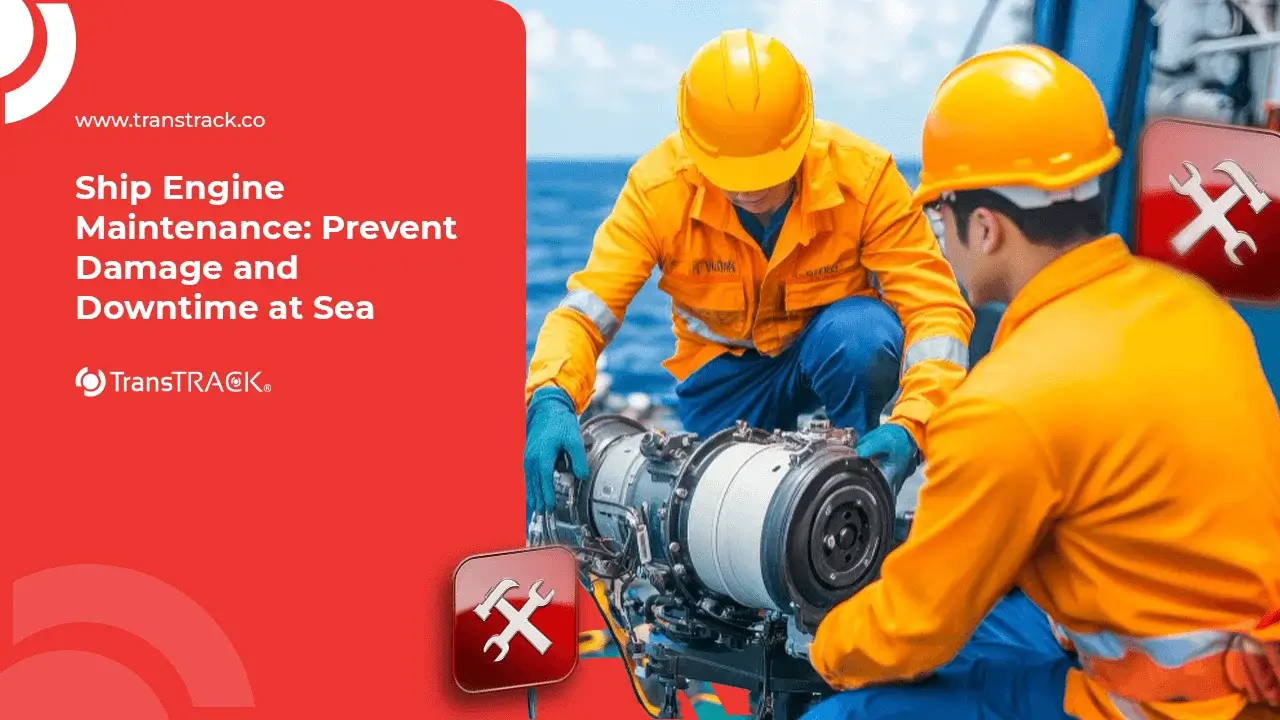
The maritime industry has undergone a significant transformation in its approach to ship engine maintenance. In the past, a reactive maintenance strategy, or repair after damage, was common practice, but this approach often posed high risks. Engine failure at sea not only disrupts operational schedules, but can also result in significant financial losses, including sudden repair costs, loss of cargo, and potential fines for delays.
With advances in technology, the maritime industry is now shifting to predictive maintenance, which utilizes real-time data to predict potential damage before it occurs. IoT (Internet of Things) and telematics are the main pillars of this approach, enabling continuous monitoring of engine conditions, performance analysis, and data-driven decision making. This transformation not only improves operational efficiency but also enhances the safety and reliability of the fleet in the modern era. Read the full explanation in the following TransTRACK article!
What is a Telematics Sensor on a Ship Engine?
Telematics sensors are electronic devices that monitor various physical parameters of ship engines and transmit data wirelessly—either via cellular or satellite networks—to a data processing center. With this technology, critical engine information can be accessed in real time from any location.
Telematics sensors enable visibility of engine conditions without having to be in the engine room. Operators and maintenance teams can monitor engine performance, detect potential problems early, and take preventive action before damage occurs.
Main Components:
- Temperature Sensor: Monitors engine temperature to prevent overheating.
- Vibration Sensor: Detects imbalance or wear in mechanical components.
- Pressure Sensor: Ensures that oil, fuel, and coolant pressure remains stable.
- Data Communication Module: Sends information to the data center via satellite or cellular networks.
Key Parameters Monitored by Sensors for Early Detection
There are several key parameters that serve as a reference for early detection of machine damage:
Vibration Analysis
Vibration sensors monitor engine vibrations to detect early signs of mechanical problems. This helps detect shaft imbalance or bearing wear before they cause serious damage.
Exhaust Gas Temperature Monitoring
Monitoring exhaust gas temperature provides insight into the performance of the combustion system. Changes in temperature can indicate problems with the fuel injection system or valves, allowing preventive measures to be taken early on.
Lubricating Oil Pressure
Oil pressure is a vital indicator of engine health. With continuous monitoring, sensors can detect leaks or pump failures, preventing the risk of engine seizure (engine seized).
Fuel Consumption Rate
Fuel consumption monitoring indicates engine operating efficiency. Consumption anomalies can be a sign of sudden decline in engine efficiency, which impacts operational costs and ship performance.
How Early Detection Using Telematics Works
Early detection of ship engine damage using telematics allows operators to monitor engine conditions in real time, prevent major damage, and improve operational efficiency. This process runs through several integrated stages.
Data Acquisition
Before analysis can be performed, the machine must continuously transmit data. Sensors collect raw data from various parameters, such as vibration, temperature, pressure, and fuel consumption, so that important information is available in real time at the monitoring center.
Threshold Setting
The collected data must be compared with operating standards so that deviations can be detected early on. At this stage, normal operating limits are set, for example a maximum temperature of 450°C, to determine when a parameter begins to show abnormal symptoms.
Alarm System
When parameters exceed normal limits, the system must provide a warning so that immediate action can be taken.
Trend Analysis
Monitoring current conditions alone is not enough; patterns of changes in machine performance over time also need to be analyzed.
Benefits of Telematics Investment for Machine Maintenance
Investing in telematics for marine engines not only provides real-time monitoring, but also delivers significant strategic benefits in terms of operations, costs, and safety.
- Preventing Downtime: With telematics, machine malfunctions can be detected before they become serious problems, so ships don’t have to be held up in port due to sudden breakdowns.
- Cost Efficiency: Data-driven maintenance helps extend component life by 20–30%, reducing replacement and emergency repair costs.
- Crew Safety: By monitoring critical parameters such as temperature and pressure, telematics reduces the risk of fire or engine explosion due to overheating, ensuring the safety of the crew on board.
Checklist for Choosing a Reliable Marine Telematics Sensor
Choosing the right telematics sensor is crucial for the engine monitoring system to function reliably in all sea conditions and ship operations. Here are some key points to consider:
- Maritime Standard Certification: Ensure that the sensor has maritime certification, including resistance to seawater corrosion and high vibration, so that it is durable in harsh marine conditions.
- Stable Satellite Connectivity: Sensors must be able to reliably transmit data even in blank spot areas, ensuring that machine information is always available in real time.
- Integration Capabilities: Select sensors that are easily integrated with GPS systems, fuel monitoring, and other telematics platforms, enabling more comprehensive and efficient engine monitoring.
Conclusion
Effective ship engine maintenance is no longer just reactive repairs. With telematics sensors, critical parameter monitoring, and data-driven early detection, fleets can avoid sudden downtime, high repair costs, and crew safety risks. Investing in telematics also improves operational efficiency, extends component life, and ensures ships are always ready to operate safely.
To maximize these benefits, TransTRACK’s Vehicle Maintenance System provides a comprehensive solution for real-time monitoring, analysis, and planning of ship engine maintenance. With this system, operational teams can make data-driven decisions, reduce the risk of sudden breakdowns, and keep fleet performance at an optimal level.
Improve the efficiency and safety of your fleet now with the TransTRACK Vehicle Maintenance System!

FAQ: Machine Maintenance
What are the types of ship engine maintenance?
Maintenance includes Planned Maintenance System (PMS), Corrective Maintenance, and Condition-Based Maintenance (CBM) which uses telematics sensors to prevent damage before it occurs.
How can you tell if a ship’s engine is malfunctioning?
Signs of engine trouble can be detected from abnormal noises or vibrations, increased temperature, changes in the color of exhaust smoke, or decreased oil pressure.
What is the function of telematics sensors in engines?
Telematics sensors remotely monitor engine conditions, predict component life, and prevent sudden breakdowns, thereby reducing downtime.
When is the best time to perform machine maintenance?
The best maintenance is based on machine operating hours, or more accurately using real-time data from telematics sensors before damage occurs.
Recent Post





Topic :