Bahasa Indonesia

Optimize Your Vehicle Rental Business with Modern Fleet Management from TransTRACK!
Posted on February 11, 2026 by Nur Wachda Mihmidati
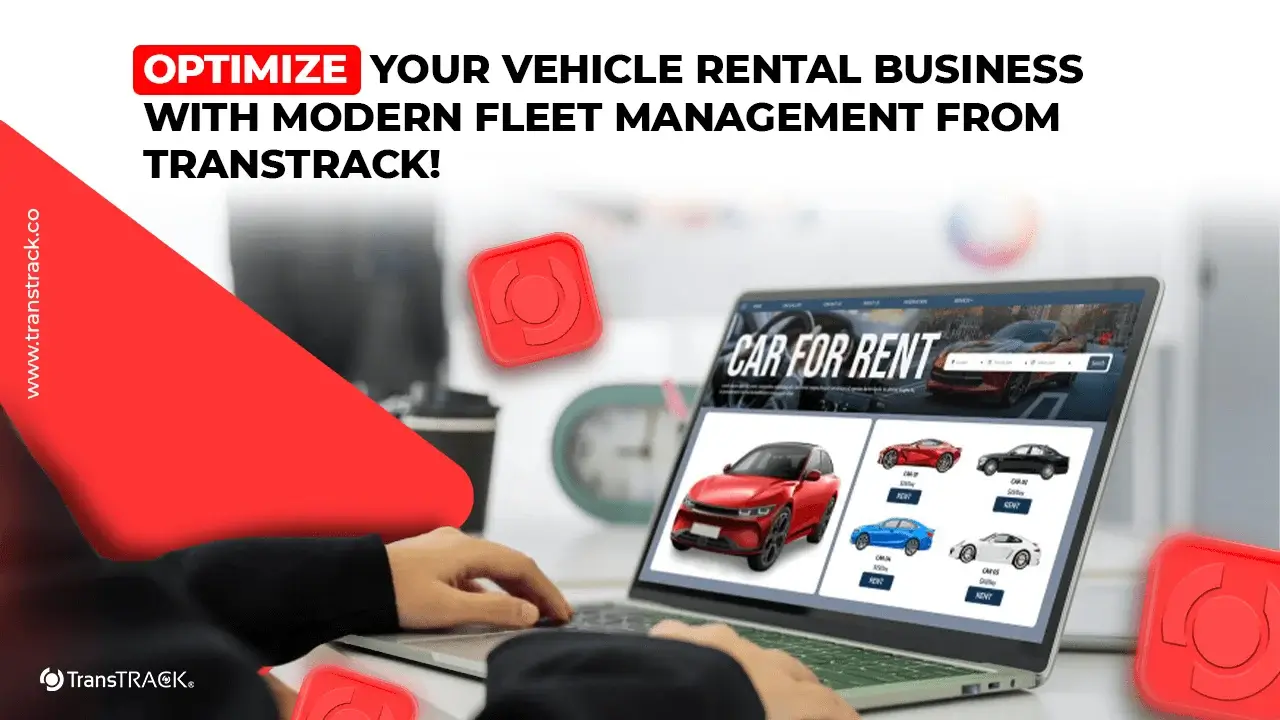
The vehicle rental business, ranging from cars to buses, continues to grow in line with the increasing demand for flexible transportation in Indonesia. However, this growth also brings its own challenges: efficient fleet management, operational cost control, and ensuring the safety of vehicles and passengers.
To remain competitive, rental companies must adopt modern fleet management strategies and leverage the latest technologies such as GPS tracking, fleet management systems, and IoT and ADAS-based solutions. With the right approach, fleets will not only be safer and more efficient, but will also increase customer satisfaction and overall business value. Read the full explanation in the following TransTRACK article!
Key Challenges in the Vehicle Rental Business Today
The vehicle rental business faces pressure to remain competitive while maintaining efficient operations. Proper fleet management, cost control, and risk mitigation are key to maintaining profitability.
- Asset Management: Managing the vehicle lifecycle from purchase to resale requires visibility into condition and usage to prevent rapid depreciation.
- Cost Efficiency: Maintenance and operational costs must be controlled without making rental prices lose their competitiveness.
- Security & Risk: The risk of theft, misuse, and accidents requires a reliable monitoring system for prevention and rapid response.
What is Fleet Management in the Vehicle Rental Business?
Fleet management is the comprehensive coordination of all company vehicles to improve efficiency, productivity, and operational safety. In the vehicle rental business, this management is an important foundation to ensure that units are always ready for use and able to provide the best service to customers.
Its main focus includes GPS-based location monitoring, routine service scheduling, fuel consumption management, and driver behavior analysis. With proper management, companies can maximize uptime and minimize operating expenses (OPEX).
Fleet Optimization Strategy for Cars and Buses
Managing a fleet of cars and buses is not just about having many units, but also about maximizing efficiency, safety, and asset lifespan. Here are the key strategies that can be applied to optimize your fleet:
Digital Monitoring with GPS Tracking
With GPS tracking, vehicle locations can be monitored in real time to prevent theft. The geofencing feature also restricts the operational area of rental vehicles, thereby improving fleet security.
Preventive Maintenance
Automatic reminders based on mileage or time help with routine service schedules. Preventive service is proven to be cheaper and reduces the risk of costly emergency repairs due to sudden breakdowns.
Driver Management and Driving Behavior
Driver education is important for passenger comfort, while sensors can detect sudden braking or speeding habits, helping to reduce the risk of accidents.
Vehicle Utilization Analysis
Through utilization analysis, companies can determine when units should be retired or resold, maintaining high asset values and reducing operating costs.
The Role of ADAS & IoT Technology in the Rental Business
In the digital age, modern technologies such as ADAS and IoT not only improve safety, but also add value and efficiency to rental fleets. Here are the main benefits:
- Increasing Fleet Value: Offering an attractive “Smart Fleet” to customers and increasing rental sales.
- Reducing Accident Risk: ADAS helps prevent incidents that can damage vehicles, especially buses or premium cars.
- Cost Transparency: IoT integrates fuel consumption data to provide clear cost information for both self-drive renters and corporate contracts.
Checklist: Choosing the Right Fleet Management System
Choosing the right fleet management system is crucial to maintaining the efficiency and productivity of your rental fleet. Here are some points to consider:
- Ease of Integration: Ensure that the system can connect to the company’s accounting or ERP application to simplify financial management.
- Clear Analytical Reports: Easy-to-read dashboards help monitor vehicle performance, fuel consumption, and driver activity in real time.
- After-Sales Service Support: Choose a vendor that provides support, system updates, and training to ensure smooth operations.
- Real-Time GPS & Tracking: Real-time vehicle location tracking and route history for security and operational optimization.
- Automatic Notifications & Alerts: Alerts for scheduled service, geofence limits, overspeed, low battery, or risky driver behavior.
- System Scalability: The ability to add units, users, and features without significant costs as the business grows.
- IoT & Sensor Integration: Support for IoT devices (e.g., fuel sensors, accelerometers) for richer and more accurate data.
- User Access Control: User access rights settings so that each role (manager, admin, operational staff) only sees the data they need.
- Mobile App Compatibility: A mobile application for quick access by managers and drivers in the field.
- Data Security & Backup: Encryption standards, data protection, and automatic backups to keep business information secure.
- Total Cost of Ownership (TCO): Taking into account licensing, implementation, training, support, and other additional costs in budget evaluation.
All of the above fleet management checklists, ranging from accounting integration, analytical dashboards, real-time GPS, automatic notifications, to IoT support and after-sales services, can be found in TransTRACK. With this solution, fleet operations become more efficient, secure, and easier to control, while maximizing asset value and customer satisfaction.
Conclusion
Managing a fleet of cars and buses in the vehicle rental business requires attention to efficiency, safety, and asset management in order to remain profitable. With a strategy of digital monitoring, preventive maintenance, driver management, utilization analysis, and ADAS & IoT technology support, companies can reduce risk, lower operating costs, and improve customer experience.
All of these fleet management needs can be addressed with TransTRACK’s Fleet Management System. Optimize your fleet now, monitor vehicles in real time, and ensure more efficient and safer operations. Start using TransTRACK today and transform your fleet into a “Smart Fleet”!
FAQ: Vehicle Rental
What does fleet management include?
Covering vehicle procurement, fuel management, technical maintenance, driver management, legal/tax compliance, and vehicle performance monitoring.
How can you manage a vehicle rental business to stay profitable?
Focus on utilizing units at least 70–80% of the rental time, strictly controlling service costs, and protecting assets through insurance and tracking technology.
Why is a fleet management system important for bus rentals?
Buses have greater technical complexity and higher operating costs. Management systems help maintain on-time departure schedules and ensure passenger safety.
What technology is most needed in vehicle rentals?
GPS trackers, fleet management software (Fleet Management System), and cloud-based booking applications are key technologies for efficient and safe operations.
Recent Post


Topic :