Bahasa Indonesia


Maritime Security Transformation Towards Digital Technology-Based Smart Ports
Posted on January 30, 2026 by Nur Wachda Mihmidati
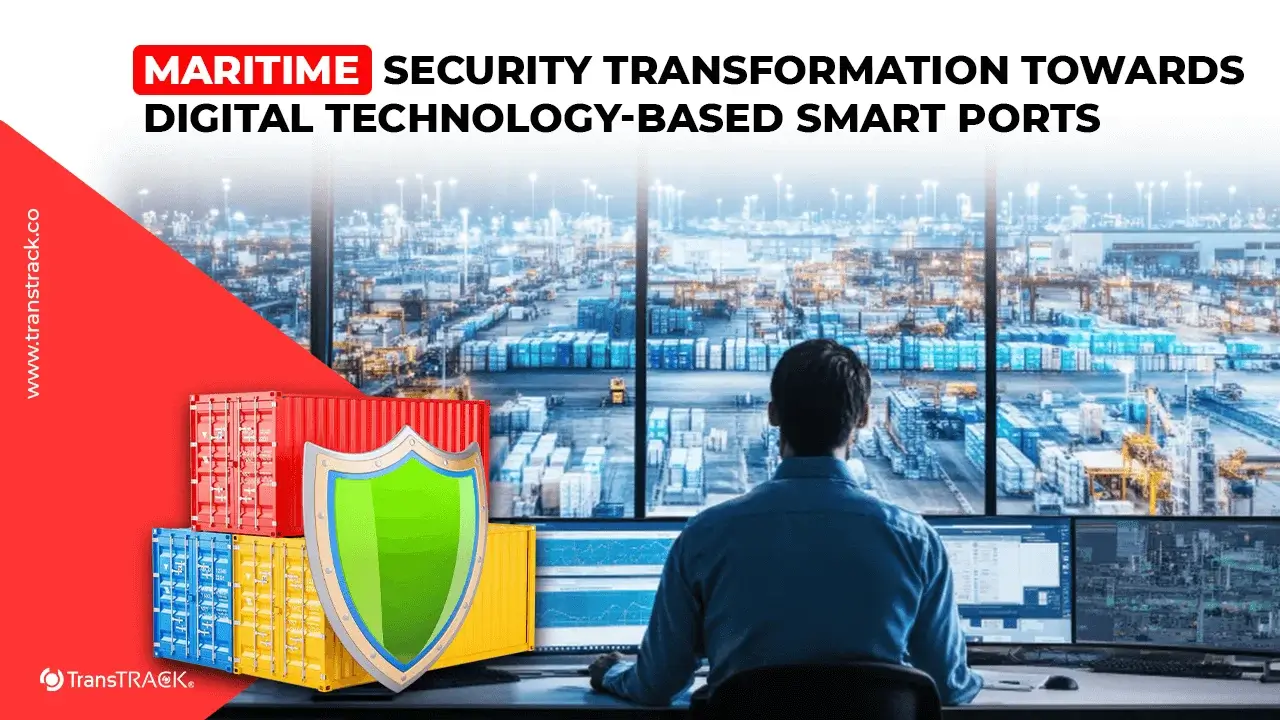
Increasingly busy and complex port activities demand higher maritime safety standards. The risks of navigation accidents, operational disruptions, and security threats can no longer be managed using conventional approaches. Therefore, the implementation of integrated port surveillance has become a key element in maintaining the safety, efficiency, and sustainability of modern port operations. Check out the article TransTRACK below for further explanation!
Accident-Prone Areas in Port Areas (Hazard Identification)
Port activities involve intensive interaction between ships, heavy equipment, workers, and operational systems in a confined and dynamic space. These conditions make port areas a work environment with a high risk of accidents. Therefore, hazard identification is a crucial step in preventing incidents that could threaten lives, damage assets, and disrupt smooth port operations.
Navigation Accident
Collisions between ships or between ships and docks (fenders) often occur due to traffic congestion, limited visibility, maneuvering errors, or communication disruptions. These incidents have the potential to cause damage to ships and port infrastructure, as well as environmental pollution.
Operational Incident
Accidents involving heavy equipment such as cranes, reach stackers, or forklifts at container terminals are generally caused by human error, mechanical failure, or non-compliance with work procedures. The main risks include worker injuries, cargo damage, and terminal operational disruptions.
Restricted Area Violation
The entry of unauthorized parties into restricted areas increases the risk of fatal accidents and threats to the security of assets and cargo. This condition is often triggered by weak access control and the lack of an integrated security control system.
Key Components of Modern Port Surveillance Technology
The complexity of port activities requires an integrated and reliable surveillance system. Modern port surveillance technology is key to improving real-time visibility and operational safety. The following are the main components of Port Surveillance technology itself:
AIS & Radar Integration
The integration of AIS and radar enables precise tracking of vessel movements, both in normal and extreme weather conditions. This combination helps improve situational visibility and reduce the risk of collisions in congested port waters.
VTS (Vessel Traffic Service)
VTS functions like a port “control tower” that monitors, regulates, and provides guidance for ship traffic. This system plays an important role in maintaining navigation safety, smooth ship traffic, and compliance with sailing procedures.
Intelligent Video Analytics (IVA)
IVA technology utilizes artificial intelligence (AI) to analyze videos in real time and automatically detect unsafe behavior, such as personnel without Personal Protective Equipment (PPE), violations of restricted areas, or suspicious activity in operational areas.
Thermal Imaging
Thermal cameras enable monitoring of objects and activities in low light conditions, at night, or in foggy conditions. This technology is highly effective for detecting potential collisions and improving operational safety in low visibility conditions.
The Role of Port Surveillance in Accident Risk Mitigation
Port surveillance acts as an active safety system that supports accident prevention, rather than merely a passive monitoring tool. Through the integration of navigation, visual, and real-time analytical data, port managers can improve awareness, decision-making accuracy, and the effectiveness of incident response.
Early Warning System (EWS)
The early warning system analyzes the trajectory, speed, and distance between ships to detect potential collisions at an early stage. Automatic warnings enable corrective actions to be taken more quickly before the risk develops into an accident.
Vessel Guidance Optimization
Port surveillance provides 360-degree data visibility that supports pilots in the docking, undocking, and maneuvering processes in restricted waters. This real-time information helps reduce the risk of human error and improves navigation safety.
Response Time Improvement
In emergency situations, the surveillance system speeds up the accurate identification of the location and circumstances of the incident. This enables faster coordination between rescue teams (SAR) and port authorities, thereby minimizing the impact of the accident.
Case Study/Implementation: Efficiency vs. Security
The implementation of integrated port surveillance not only improves safety, but also provides direct benefits in terms of operational efficiency and cost control. A number of major ports have shown that investing in modern monitoring systems can reduce the risk of asset damage while increasing stakeholder confidence.
Reduction of Property Damage through Port Surveillance Integration
The integration of AIS, radar, VTS, and video analytics enables early detection of potential collisions and vessel maneuvering errors in port areas. With comprehensive visibility and real-time warning systems, incidents resulting in damage to vessels, docks, and port equipment can be significantly reduced.
Data Transparency and Its Impact on Port Insurance Costs
The availability of transparent and well-documented monitoring data improves port operational accountability. Incident records, ship movement histories, and data-based incident reports help insurance companies assess risks more objectively, which ultimately contributes to lower insurance premiums and fewer claims.
Challenges in Implementing Digital Maritime Security
The transformation towards a digital-based maritime security system presents various challenges that need to be managed strategically for effective and sustainable implementation. Some of the main challenges commonly faced include:
- Legacy System Integration
Limited compatibility between older devices and new technologies often poses a barrier to building integrated monitoring systems. - Cybersecurity Threats
The digitization of surveillance systems increases the risk of cyberattacks that can disrupt operations, manipulate data, or paralyze control centers. - Human Resource Readiness
Competent and trained personnel are needed to operate the control room, analyze real-time data, and respond to incidents quickly and appropriately.
Conclusion
Maritime security is the cornerstone of creating safe, efficient, and sustainable ports. With the development of the Smart Port concept, AI-based port surveillance technology, real-time analytics, and automation will play an increasingly important role in preventing accidents, protecting assets, and maintaining the smooth flow of maritime logistics.
Investing in surveillance systems is not merely a security measure, but a strategic investment for the sustainability of port businesses. With comprehensive visibility and transparent data, port managers can reduce operational risks, increase stakeholder confidence, and optimize long-term performance.
As an integrated solution, TransTRACK’s Port Surveillance System provides real-time monitoring, early warnings, and data-driven decision support to enable the transformation to smart ports. It’s time to raise maritime security and operational efficiency standards through reliable and proven port surveillance technology.
Maritime Safety FAQ
What is Port Surveillance in the Context of Maritime Security?
Port surveillance is an integrated monitoring system for real-time monitoring of ship activities and port areas to improve operational safety and security.
How Does VTS Work to Prevent Ship Collisions?
VTS monitors vessel traffic via AIS and radar, and provides warnings and navigational guidance to prevent potential collisions.
What are the Benefits of Using AI in Port CCTV?
AI enables CCTV to automatically detect violations and unsafe behavior, resulting in faster and more accurate security responses.
Why is Maritime Security Important for the Smooth Operation of the Global Supply Chain?
Maritime security maintains the smooth flow of ships and cargo, minimizes operational disruptions, and supports the stability of the global supply chain.
Recent Post





Topic :