Bahasa Indonesia


Strategies for Improving Land Transportation Safety in the Digital Age
Posted on January 15, 2026 by Nur Wachda Mihmidati
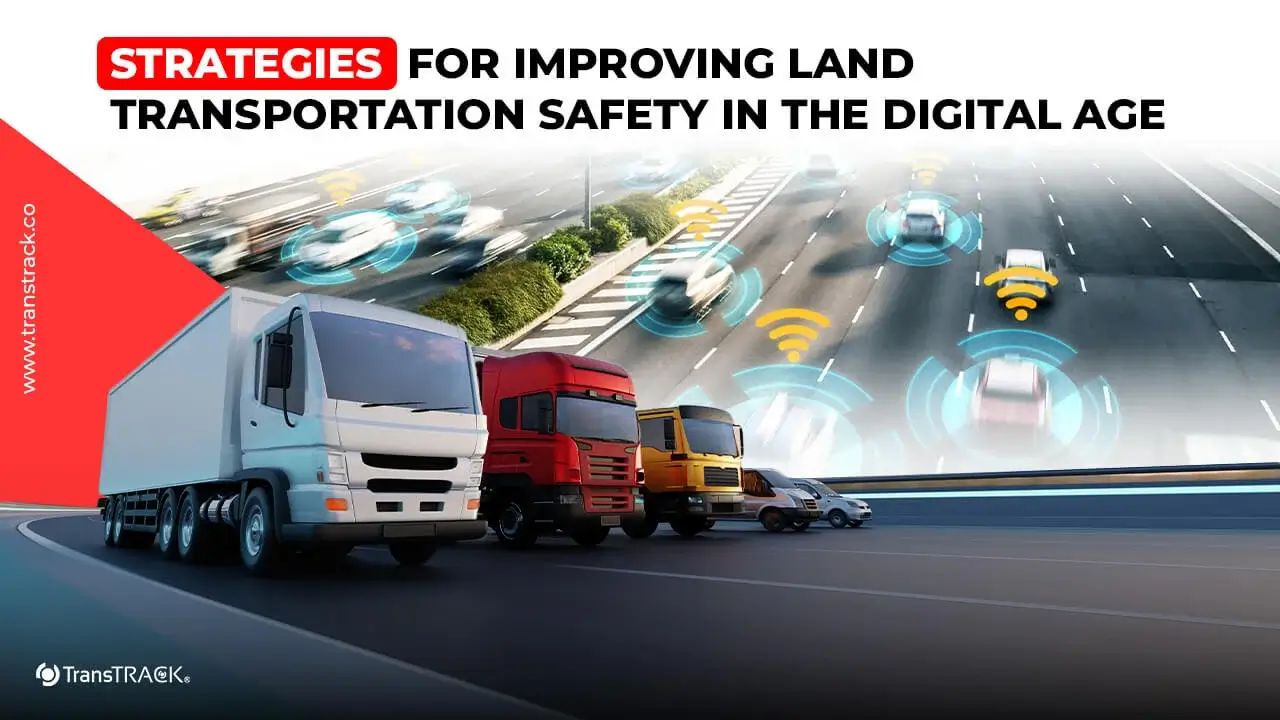
Road transport safety is the main foundation in maintaining operational continuity and protecting human resources. High vehicle mobility, distribution target pressures, and complex road conditions make accident risks a serious challenge for transportation and logistics companies. Therefore, a structured, standards-based, and technology-supported safety approach is needed so that risks can be controlled effectively and sustainably. Read the full explanation in the following article TransTRACK!
4 Main Pillars of Land Transportation Safety
Road transport safety cannot be achieved through a single technical approach. A comprehensive and integrated framework is needed to systematically control accident risks. Safety is categorized into four main pillars that are interrelated and must be consistently applied by all road transport stakeholders.
Humans (Driver Factors)
Safety is largely determined by driver competence, physical health, and consistent implementation of fatigue management. AIO data shows that approximately 80% of traffic accidents are caused by human factors, making driver management a top priority.
Vehicles (Asset Viability)
Vehicles must be in roadworthy condition through regular preventive maintenance, routine vehicle inspections, and the use of standard spare parts to minimize the risk of technical failure.
Environment and Infrastructure
Drivers and operators must understand the characteristics of the route, road conditions, and weather factors, while ensuring compliance with traffic signs and regulations to reduce the potential for external accidents.
Management and Regulation
Safety is reinforced through clear internal K3/HSE policies, supported by full compliance with government regulations, particularly land transportation safety standards set by the Ministry of Transportation.
Risk Factors and Common Causes of Transportation Accidents
Efforts to mitigate land transportation accidents must begin with identifying the most dominant risk factors in the field. By understanding the patterns of accident causes, companies and regulators can develop more targeted, data-driven, and sustainable prevention strategies. In general, transportation accident risk factors can be grouped into the following three main categories.
Unsafe Acts
Unsafe driver behavior such as speeding, harsh braking, and using cell phones while driving are the main causes of increased accident risk and fatalities.
Unsafe Conditions
Vehicles that are not roadworthy, including those with damaged braking systems, bald tires, and loads exceeding capacity or ODOL (Over Dimension Over Load), significantly increase the potential for operational failures on the road.
External Factors
The risk of accidents is also influenced by factors beyond the driver and vehicle, such as poor road lighting, damaged infrastructure, and environmental conditions that are not conducive to safe driving.
The Role of Fleet Management System (FMS) in Improving Safety
The implementation of modern transportation safety requires technological support that is capable of monitoring, analyzing, and responding to risks in real time. The Fleet Management System (FMS) acts as the backbone of data-driven safety management, integrating driver behavior, vehicle conditions, and emergency responses into a single integrated platform. Through the TransTRACK FMS solution, companies can shift from a reactive approach to a preventive and proactive one.
Driver Behavior Monitoring
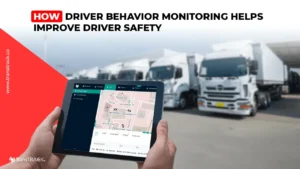
TransTRACK utilizes telematics sensors to record driver activity in the field in real time, including speed, braking patterns, and acceleration. This data provides an objective basis for the implementation of Driver Scoring, enabling companies to run coaching programs and reward and punishment schemes in a fair and measurable manner.
Early Warning and Emergency Assistance
FMS TransTRACK is equipped with active safety features such as Panic Button (SOS), drowsiness sensors based on ADAS/DMS, and collision warning systems. These features enable a quick and coordinated response in emergency situations, thereby significantly reducing the risk of injury and operational losses.
Automated Preventive Maintenance Management
Through an automatic notification system based on engine hours and mileage, TransTRACK ensures that vehicle maintenance schedules are well managed. This approach helps keep every unit in roadworthy condition, while preventing technical failures that could cause accidents on the road.
Practical Steps to Implement a Safety Culture
A safety culture is not formed solely through written rules, but through operational habits that are consistently practiced every day. Implementing a safety culture requires the involvement of management, drivers, and continuous monitoring so that safety becomes part of work behavior, not just an administrative obligation.
Safety Briefing
Holding a toolbox meeting every morning before drivers depart is an important means of communicating potential travel risks, vehicle conditions, and work safety reminders. These routine briefings help align perceptions and increase driver awareness from the start of operations.
Incident Investigation
Every near-miss or accident must be thoroughly evaluated to identify the root cause. This approach aims to prevent similar incidents from recurring, while improving systems, procedures, and risky work behaviors.
Security Audit
Safety audits are conducted regularly by checking vehicle registration documents, driver licenses, and the physical condition of vehicles or P2H (Daily Inspection and Maintenance). This step ensures that all safety aspects meet the established standards and are ready for use in daily operations.
Conclusion
Road transport safety is the result of structured, consistent, and data-driven management. From human factors, vehicle roadworthiness, environmental conditions, to management and regulations, all aspects must be controlled in an integrated manner to reduce the risk of accidents and operational losses. Without the support of an appropriate system, safety efforts tend to be reactive and difficult to measure in terms of effectiveness.
Through the TransTRACK Fleet Management System (FMS), companies can build a proactive safety culture with real-time driver behavior monitoring, early warnings and emergency assistance, as well as automated and measurable vehicle maintenance management. This technology not only helps improve compliance with safety standards, but also promotes operational efficiency and business sustainability.
It’s time to switch to smart and integrated transportation safety management. Use TransTRACK’s Fleet Management System to protect your drivers, assets, and company reputation.
FAQ: Transportation Safety
What is land transportation safety?
Road safety is a structured effort to prevent accidents and reduce risks through integrated management of drivers, vehicles, the environment, and management.
Why is the human factor the main cause of transportation accidents?
Driver behavior, fatigue, and lack of compliance with procedures have a direct impact on the occurrence of road accidents.
How do vehicles play a role in supporting transportation safety?
Vehicles that are roadworthy through routine maintenance and vehicle inspection tests reduce the risk of technical failure during operation.
What is the impact of ODOL cargo on transportation safety?
ODOL increases the risk of accidents due to reduced vehicle stability, brake system damage, and regulatory violations.
How does technology help improve transportation safety?
Technology enables real-time monitoring of drivers and vehicles so that risks can be detected and prevented early on.
What are the benefits of the TransTRACK Fleet Management System in transportation safety?
FMS TransTRACK helps improve safety through driver monitoring, early warnings, and automated vehicle maintenance management.
What is the Zero Accident standard in transportation?
Zero Accident is a safety culture commitment to prevent all accidents through procedural discipline and continuous risk management.



Topic :