Bahasa Indonesia


Vehicle Inspection as the Key to Optimizing Safety and Ensuring Fleet Safety
Posted on December 25, 2025 by Nur Wachda Mihmidati
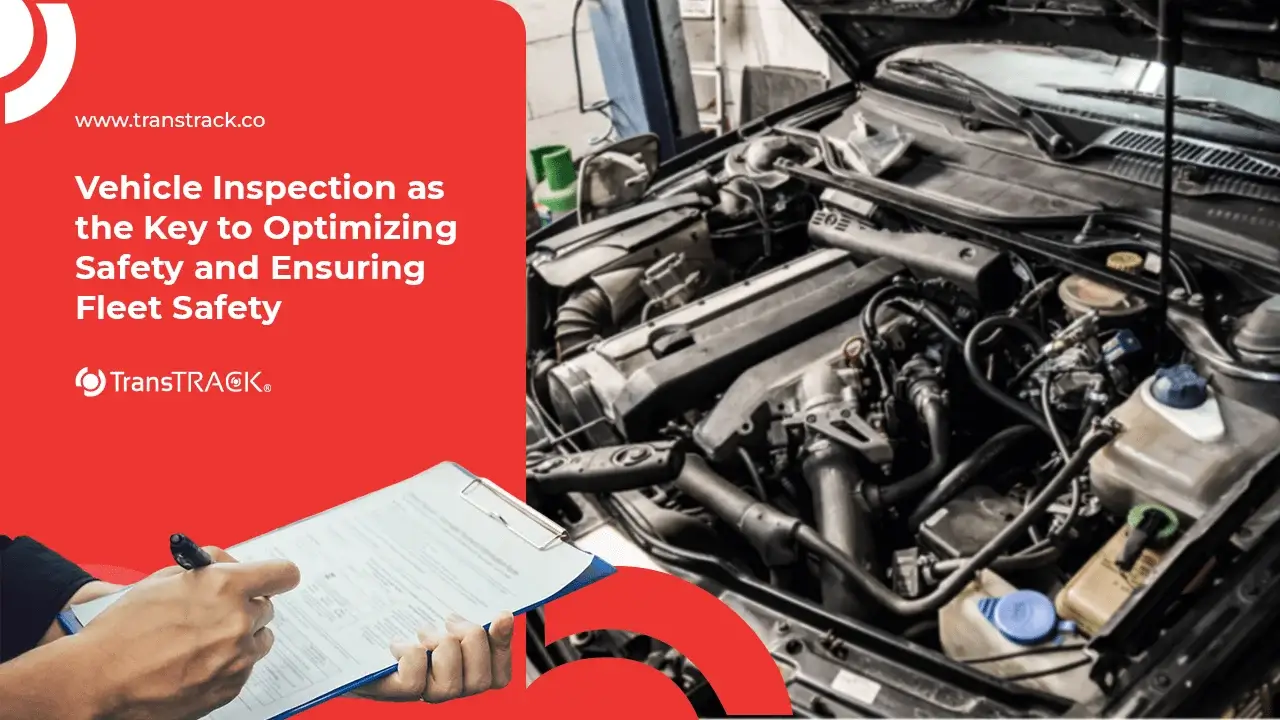
A truck or bus breaking down in the middle of the road not only incurs significant costs, but can also damage a company’s reputation and disrupt the smooth flow of the supply chain. Furthermore, it can cause significant losses for all parties using the same road. Yet, such fatal damage can often be prevented through a small but impactful step: regular vehicle inspections.
Vehicle inspection, or Daily Inspection (P2H), is a systematic procedure that fleet drivers and trusted technicians should perform before, during, and after a trip. With a well-organized, well-documented inspection schedule and system, companies can proactively identify minor vehicle issues before they develop into major, costly damage.TransTRACK This will discuss “why Vehicle Inspection is important” and what things need to be considered in the process.
Three Pillars of Mandatory Vehicle Inspection
Vehicle inspections must be conducted consistently and thoroughly. Therefore, a clear and easy-to-remember checklist is needed. Categorizing inspections into three main pillars can help drivers and technicians focus on important aspects without overlooking small details that could have significant impacts. This approach makes the vehicle inspection process more structured and efficient. Here are the three pillars of vehicle inspection that companies must understand:
Visual and Exterior Inspection
- Items to note:
- Tire condition (pressure, wear, and bolts for wheels)
- The lighting system (headlights, taillights, brakes, turn signals) must be fully functional and all in good condition.
- Body and glass (cracks and fluid leaks)
Fluid and Engine Inspection (Under The Hood)
- Items to note:
- The level was engine oil.
- Radiator water level (coolant) and leaks
- Brake and power steering fluid levels
- Fuel (diesel/petrol) in sufficient volume for the travel route
Interior Inspection and Control
- Items to note:
- Brakes (brake pedal and handbrake function)
- Safety equipment (APAR, P3K, Safety Triangle) must be available and not expired (can function properly and be maintained)
- Dashboard Indicators (make sure no warning lights are on)
Benefits of Vehicle Inspection (Turning Losses into Profits)
Vehicle inspections are not simply a technical routine, but a direct investment in the safety of the transportation business. With early identification of damage and preventive maintenance, companies can reduce significant repair costs and minimize vehicle downtime. The result is more adequate vehicles, a more reliable fleet, smoother operations, and significantly increased profit margins. Here are some of the key benefits of consistently performing vehicle inspections:
- Reduce sudden damage (downtime): Daily inspections can help find leaking seals or tires that are about to go flat, avoiding potentially major damage such as downtime or a tire blowout.
- Reducing Maintenance Costs: Early repair costs are always cheaper than emergency repair costs (after major damage occurs).
- Compliance and Legality: Ensure compliance with transportation safety regulations (condition of tires, brakes, fuel, and physical condition of the vehicle).
- Increase Asset Life: Consistent maintenance can improve and extend the life of a vehicle.
Digital Transformation: From Paper to Digital Inspection App
The paper-based manual inspection process is prone to errors, inaccurate data, and difficulty tracing back to the source. Digitization through inspection applications integrated into a Fleet Management System (FMS) provides a practical solution to improve accuracy and efficiency. With this technology, inspection data is automatically recorded, stored, and accessible at any time for faster and more accurate decision-making. Here are some of the problems encountered during manual inspections and their solutions through an FMS:
- Paper Checklist Problems: Easy to lose, difficult to archive, and no real-time verification, in addition, it is difficult to trace back the source.
- Digital Inspection Application Solution (FMS):
- Documentation Automation: Driver fills out checklist in application (device)
- Photo/video evidence: Drivers are required to attach visual evidence of damaged items.
- Instant notification to the workshop: If any damage occurs (defect), notification is immediately sent to the Maintenance team for follow-up.
- Audit Trail: All inspection history is neatly recorded in the Cloud
Conclusion
Regular vehicle inspections supported by digitalization are a key step that significantly benefits fleet operations. While seemingly a small investment, this practice can have a significant impact in minimizing the risk of unexpected breakdowns and reducing operational costs. By adopting a digital inspection system like the one offered by TransTRACK’s Fleet Management System, companies can increase efficiency while maintaining overall fleet reliability and ultimately increasing profit margins.
Stop losses due to sudden breakdowns. Digitize your vehicle inspection checklist today with the FMS TransTRACK app. Contact us for a demo.
FAQ
What does P2H stand for?
P2H stands for Daily Inspection and Maintenance, which is a common term in Indonesia for pre-operational Vehicle Inspection.
When is the best time to do a Vehicle Inspection?
Vehicle Inspection is best done at least twice: Pre-Trip (before the bus/truck departs) and Post-Trip (after returning to the depot).
What is checked in the P2H checklist?
The P2H checklist generally includes checking tires, brakes, lights, wipers, fuel, oil, safety equipment, and completeness of vehicle documents.
Who is responsible for carrying out P2H?
Typically a driver or fleet technician is directly responsible, with supervision from an operations manager or maintenance team.
What are the risks if P2H is not carried out routinely?
Risks include sudden breakdowns on the road, accidents, delivery delays, and high emergency repair costs.
Recent Post





Topic :