Bahasa Indonesia


Increasing Fleet Productivity with Fleet Utilization
Posted on November 5, 2025 by Nur Wachda Mihmidati
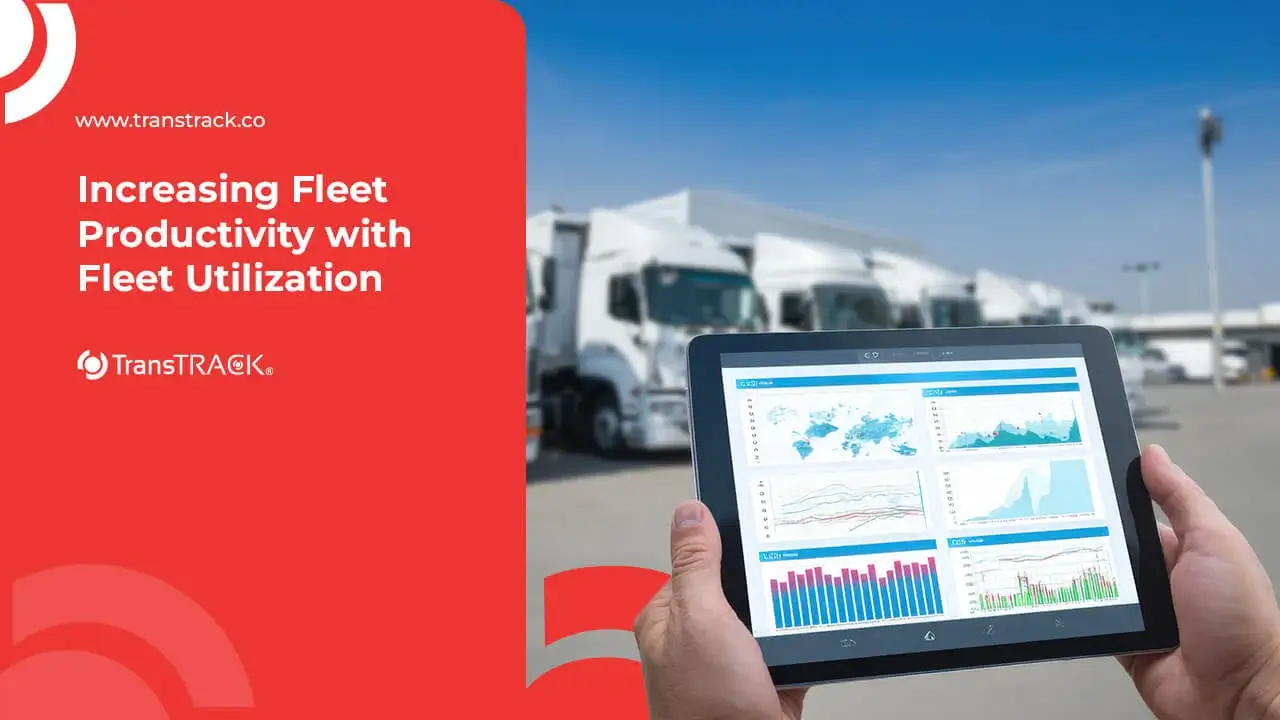
Learn what fleet utilization is, how to calculate it, the causes of low fleet performance, and strategies for increasing efficiency.
Fleet utilization is a crucial parameter in transportation and logistics, used to measure how effectively a fleet operates over a given period. Companies that maintain high fleet utilization rates tend to reduce costs, be more efficient, and more productive in distributing goods and services. Therefore, this article TransTRACK will helpUnderstanding how to calculate, control, and optimize them is key to sustainable fleet operations.
What is Fleet Utilization?
Fleet utilization is an indicator of fleet utilization levels in transportation and logistics companies’ operations. Understanding fleet utilization is crucial because it helps companies determine how optimally their vehicles are being used on a daily basis. Increasing fleet utilization automatically improves efficiency in fleet management and operational distribution.
Why is Fleet Utilization Important?
Fleet utilization is directly related to cost reduction and fleet productivity. Maximizing fleet utilization increases operational efficiency and improves fleet performance. Here are the key reasons why fleet utilization plays a significant role in business:
- Avoid wasteful use of vehicles.
- Reduce fleet downtime.
- Improve operational cost efficiency.
How to Calculate Fleet Utilization
Fleet utilization calculations serve as the initial basis for companies to objectively assess fleet performance. With precise and accurate calculations, businesses can evaluate fleet utilization and maximize vehicle allocation. Fleet utilization measurement formulas and methods can be applied depending on the fleet type and operational needs. Here are some things to consider when calculating:
- Formula: (Vehicle Usage / Total Fleet Availability) × 100%
- Calculation based on active operating hours.
- Can be calculated based on load capacity and number of trips.
Impact of Fleet Utilization on Operational Costs
High fleet utilization rates can help businesses run distribution activities more efficiently. This impact can be felt directly, from reduced repair costs to reduced fuel consumption. Here are some of the positive impacts of fleet utilization on operational costs:
Reduce vehicle idle time.
- Companies can increase fleet productivity without the need to add new vehicles.
- Reduce fuel waste and extend the life of the vehicle because it is not used inefficiently.
- Optimizing schedules and routes, so that operational costs can be reduced significantly.
Reduces the need for new fleet additions.
- Better fleet utilization reduces the need to purchase new vehicles, thus saving on initial investment costs.
- Meet customer demand without the need to expand the fleet, reducing operational costs associated with the acquisition and maintenance of additional vehicles.
- Optimizing vehicle utilization allows companies to address surges in demand without adding the large fixed costs of a new fleet.
Optimize driver usage.
- Reduces the need to employ additional drivers.
- Reduce waiting and idle time, and lower costs per trip.
- Reduce the risk of fatigue and improve safety, thereby reducing costs related to accidents and traffic violations.
Minimize fuel and maintenance costs.
- Fleet that is used efficiently reduces fuel consumption
- Reduce the frequency of breakdowns and the need for emergency maintenance
- Implementing fuel saving strategies and sustainable maintenance
Causes of Low Fleet Utilization in Companies
Fleet utilization is often suboptimal due to various operational challenges. When fleet utilization is low, company productivity declines and operational costs increase. The following are common causes of low fleet utilization in transportation and logistics companies:
Suboptimal routing.
- Determining inefficient travel routes/paths
- The distance traveled exceeds the actual needs
- Trip duration and fuel consumption increase
Many vehicles are not fully operational.
- Most of the vehicles are out of service due to waiting for repairs or spare parts.
- Many vehicles are unable to operate at full capacity due to frequent breakdowns and lack of regular preventative maintenance.
- Vehicles are often out of service due to technical problems that are not detected or repaired in time, resulting in operational disruptions.
The travel schedule is inefficient.
- Suboptimal travel routes and lack of coordination between drivers lead to wasted fuel and time.
- Vehicles are often empty or not fully loaded
- Poor route planning and lack of consideration for traffic conditions leads to delays and decreased fleet productivity.
Downtime due to unscheduled maintenance.
- Unplanned maintenance often results in vehicles having to be suddenly withdrawn from service.
- Higher repair costs due to more severe damage and the need for emergency repairs.
- Lack of a regular preventive maintenance schedule leads to more frequent breakdowns and longer downtime.
Lack of real-time visibility into the fleet.
- It is difficult to track vehicle locations, monitor driver performance, and optimize travel routes due to poor visibility.
- Delays in decision making and response to emerging issues.
- It is difficult to identify and address problems such as unauthorized vehicle use or route deviations.
When Should a Company Invest in a Fleet Management System?
Installing a fleet management system can significantly increase fleet utilization. This investment becomes crucial and should be prioritized when a company experiences a number of challenges related to fleet operations. The following signs indicate when fleet management is necessary:
- Many vehicles are idle.
- High repair costs due to breakdowns.
- Difficulty monitoring driver performance.
- There is no real-time travel data.
Conclusion
Fleet utilization plays a crucial role in improving cost efficiency and fleet productivity. Higher fleet utilization rates optimize vehicle performance in supporting business operations. Using a fleet management system is key to measurably and sustainably increasing fleet utilization.
Increase your company’s fleet utilization with real-time fleet monitoring technology. Manage vehicles more efficiently, reduce downtime, and control operational costs all in one system. Use TransTRACK’s Fleet Management System and achieve maximum fleet efficiency today.
FAQ
Why is fleet utilization important for companies?
Fleet Utilization is important for companies because it will help companies improve operational efficiency, control fleet productivity, and save long-term operational costs.
What causes low fleet utilization in the logistics business?
Low Fleet Utilization in the logistics business is caused by fleets that are often idle or not operating optimally, less than optimal travel routes, and the absence of real-time fleet monitoring.
How to increase fleet utilization for large companies?
Companies can increase fleet utilization by mUsing data-based fleet management, planning routes and schedules more efficiently, and monitoring vehicles and drivers in real time.
What KPIs are used to measure fleet utilization?
The KPI used to measure fleet utilization isVehicle Usage Rate, Trip Efficiency, dan Load Capacity Utilization.
What is the role of fleet management technology in increasing utilization?
In increasing utilization, fleet management technology plays a role in providing real-time fleet data visibility, minimizing vehicle downtime, and optimizing scheduling and routing to increase fleet utilization.




Topic :